Lifli Unlarla Dengeli Beslenme ve Un Önerileri
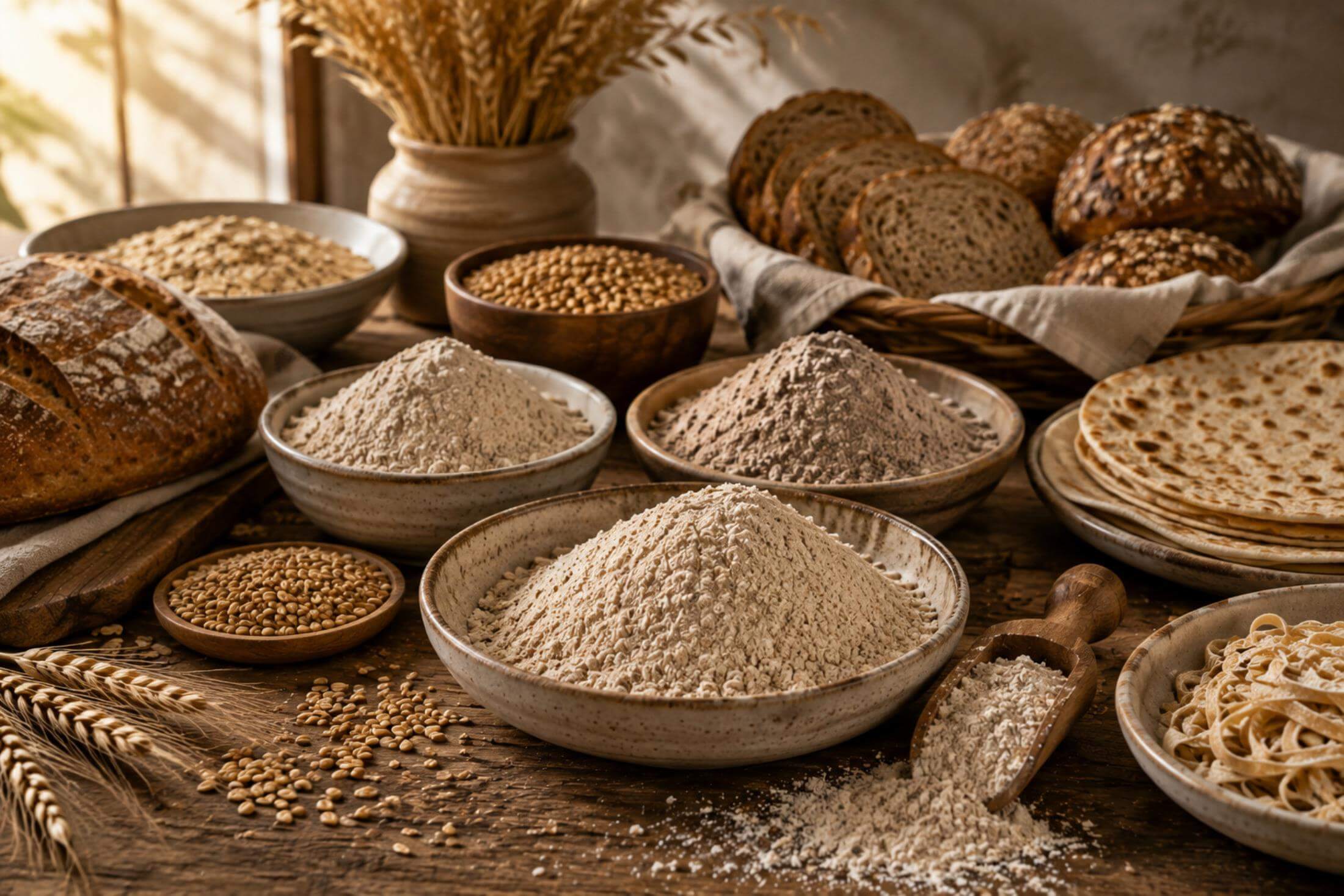
Daha dengeli beslenmek isteyenlerin yolu çoğu zaman lifli gıdalardan geçer. Sebzeler, meyveler, baklagiller ve tam tahıllar bu listenin tanıdık kahramanlarıdır. Ama mutfakta her gün kullandığımız unları da bu hikayenin içine dahil etmek mümkündür. Çünkü ekmekten krebe, poğaçadan kurabiyeye kadar pek çok tarifte kullandığımız unun türü, sadece kıvamı değil, öğünün besleyiciliğini de değiştirir.
Lifli unlar, mutfakta küçük ama sürdürülebilir bir değişim yapmak isteyenler için güzel bir başlangıçtır. Tam buğday unu, yulaf unu, siyez unu, çavdar unu ve benzeri seçenekler; tariflere daha tok bir yapı, daha karakterli aroma ve daha doyurucu bir his kazandırır. Özmen Un olarak biz, sağlıklı mutfağı lezzetten vazgeçmek değil, doğru malzemeyle daha bilinçli tarifler kurmak olarak görüyoruz.
Sağlıklı Tarifler İçin Hangi Lifli Un Kullanılmalı?
Hızlı Kontrol Listesi
- Tokluk hissini destekleyen daha doyurucu tarifler hazırlanmasına katkı sağlar.
- Kepek ve rüşeym içeren unlar tahılın daha bütüncül yapısını taşır.
- Farklı tahıl aromaları günlük beslenmede çeşitlilik oluşturur.
- Lifli unlar daha fazla sıvı isteyebileceği için reçete dengesi yeniden kurulmalıdır.
- Kademeli ikame, dokuya alışmayı ve tarifi yönetmeyi kolaylaştırır.
Lif, bitkisel kaynaklı gıdalarda bulunan ve sindirim sistemi tarafından tamamen parçalanmadan ilerleyen bir besin bileşenidir. Bu yapısı sayesinde öğünlerin daha doyurucu hissedilmesine yardımcı olur. Lifli beslenme, özellikle daha düzenli ve dengeli bir yeme alışkanlığı kurmak isteyenler için pratik bir başlangıç noktasıdır.
Günlük mutfakta unlu tariflerin önemli bir yeri vardır. Ekmek, poğaça, krep, börek, kek, kurabiye ve bazlama gibi tarifler birçok evde sık hazırlanır. Bu tarifleri tamamen değiştirmek yerine, kullanılan unun bir bölümünü daha lifli alternatiflerle değiştirmek daha uygulanabilir bir yaklaşımdır. Örneğin beyaz unla hazırlanan bir krep tarifinde tam buğday unu kullanmak, klasik kek tarifine bir miktar yulaf unu eklemek veya ev yapımı ekmekte siyez ununa yer vermek, beslenme düzenine küçük ama anlamlı katkılar sağlayabilir.
Burada önemli olan lifli unları tek başına mucizevi bir çözüm gibi görmemektir. Dengeli beslenme; sebze, meyve, baklagil, tam tahıllar, yeterli protein kaynakları, sağlıklı yağlar ve su tüketimiyle birlikte düşünülmelidir. Lifli unlar bu bütünün içinde yer aldığında daha anlamlı bir katkı sunar.
Lifli Unların Sindirime Katkısı
Lifli unların sindirim rutini üzerindeki etkisi, tahılın daha bütünlüklü yapısından gelir. Tam tahıllı ya da daha az rafine edilmiş unlarda tahılın kepek ve rüşeym gibi bölümleri daha fazla korunur. Bu yapı, una hem daha karakterli bir aroma hem de daha zengin bir besin profili kazandırır.
Lif oranı yüksek unlarla hazırlanan tarifler genellikle daha tok bir yapı verir. Bu durum, öğünün daha doyurucu hissedilmesine yardımcı olabilir. Ayrıca lifli gıdaların düzenli tüketimi, bağırsak sağlığını destekleyen beslenme alışkanlıklarının bir parçası olarak değerlendirilebilir. Ancak herhangi bir sağlık sorunu, özel diyet programı veya hassas sindirim yapısı söz konusuysa, beslenme değişikliklerinde uzman görüşü almak en doğru yaklaşımdır.
Mutfak açısından bakıldığında lifli unlar daha fazla sıvı isteyebilir. Tam buğday, siyez veya çavdar unu kullanılan bir hamur, beyaz unla hazırlanan hamura göre daha tok ve yoğun olabilir. Bu yüzden tariflerde su, süt veya yoğurt gibi sıvıların kontrollü artırılması gerekebilir. Bu küçük ayarlama, hem hamur kıvamını hem de pişirme sonucunu olumlu etkiler.
Lifli Unlar Nelerdir?
Lifli unlar denildiğinde akla genellikle tam tahıllı, kepek oranı daha yüksek veya daha az rafine edilmiş un çeşitleri gelir. Her bir unun kendine özgü yapısı, kullanım alanı ve tarifte verdiği sonuç farklıdır. Bu nedenle hangi unu hangi tarifte kullanacağını bilmek, mutfakta daha başarılı sonuç almayı kolaylaştırır.
Tam Buğday Unu
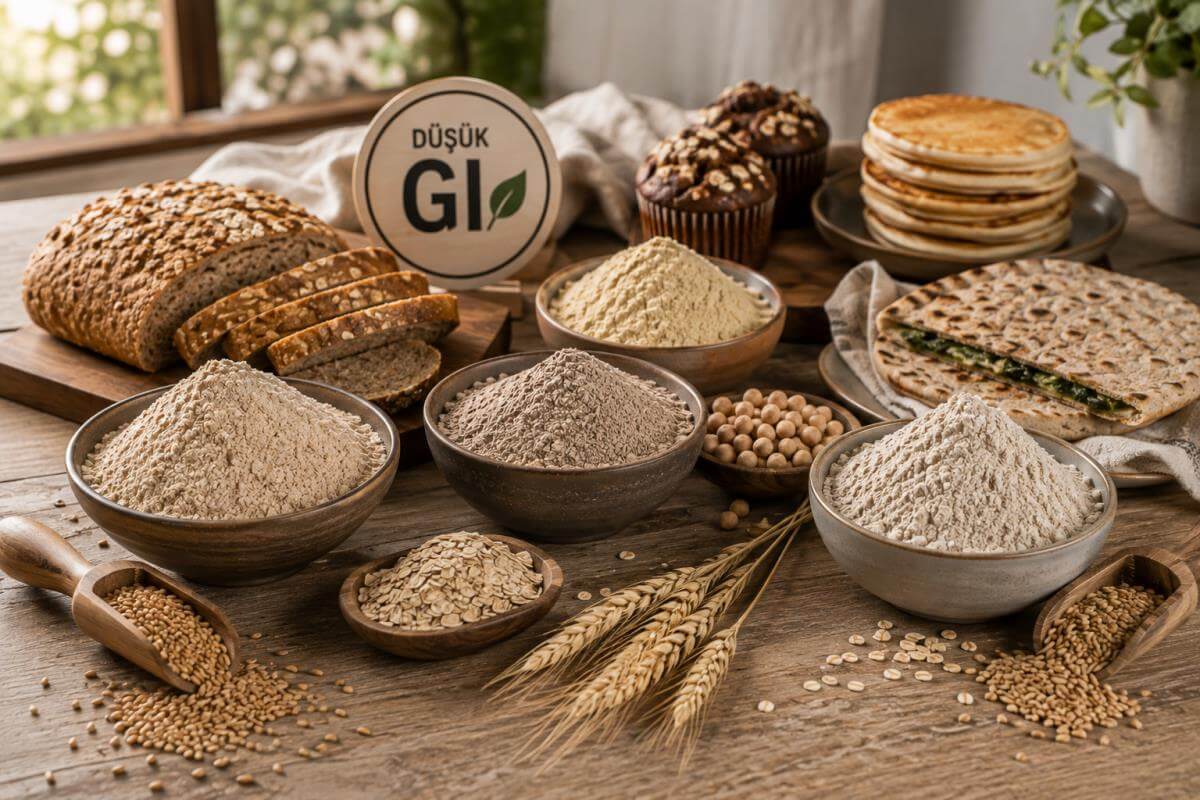
Tam buğday unu, buğday tanesinin daha bütünlüklü şekilde öğütülmesiyle elde edilir. Beyaz una göre daha yoğun aromalı, daha koyu renkli ve daha tok yapılıdır. Ekmek, bazlama, krep, pankek, poğaça ve tuzlu kek gibi tariflerde rahatlıkla kullanılabilir.
Tam buğday unu kullanırken en pratik yöntem, ilk denemelerde beyaz unun tamamını değiştirmemektir. Tarifin bir bölümünde tam buğday unu kullanmak, hem kıvamı korumaya hem de damak tadının bu daha yoğun yapıya alışmasına yardımcı olur. Örneğin iki su bardağı un kullanılan bir tarifte bir su bardağını tam buğday unu olarak değerlendirmek iyi bir başlangıç olabilir.
Yulaf Unu
Yulaf unu, özellikle kahvaltılık tariflerde ve pratik atıştırmalıklarda sık tercih edilir. Pankek, muffin, kek, kurabiye ve bar tariflerinde yumuşak bir doku sağlar. Hafif tatlımsı aroması sayesinde rafine şekerin azaltıldığı tariflerde de uyumlu sonuç verebilir.
Yulaf ununun buğday unu gibi güçlü bir gluten yapısı yoktur. Bu nedenle mayalı ekmek ya da elastikiyet gerektiren hamur işlerinde tek başına kullanıldığında beklenen kabarma sağlanamayabilir. Daha iyi sonuç için farklı unlarla karıştırılarak kullanılması önerilir. Kek ve pankek gibi tariflerde ise oldukça kullanışlıdır.
Siyez Unu
Siyez unu, geleneksel tahıl lezzetlerini sevenler için iyi bir alternatiftir. Kendine özgü aroması ve daha karakterli yapısıyla özellikle ekmek, bazlama, gözleme ve köy tipi hamur işlerinde öne çıkar. Sofrasında daha doğal ve geleneksel tatlara yer vermek isteyenler için güçlü bir seçenektir.
Siyez unu ile çalışırken hamurun beyaz una göre farklı davranabileceği unutulmamalıdır. Daha az elastik bir yapı oluşabilir, hamur daha fazla dinlenmeye ihtiyaç duyabilir ve sıvı miktarı tariften tarife değişebilir. Bu nedenle siyez ununu ilk kez kullananlar, karışım oranlarıyla deneme yaparak ilerleyebilir.
Çavdar Unu
Çavdar unu, koyu rengi ve belirgin aromasıyla özellikle ekmek tariflerinde kullanılır. Ekşi mayalı ekmeklerde, rustik somunlarda ve kahvaltılık dilim ekmeklerde lezzetli sonuçlar verir. Lifli yapısı sayesinde daha tok ve nemli bir iç doku sağlayabilir.
Çavdar ununun gluten yapısı buğday unu kadar güçlü değildir. Bu yüzden hacimli bir ekmek hedefleniyorsa genellikle buğday unu ile birlikte kullanılır. Az miktarda çavdar unu bile hamura belirgin bir aroma, renk ve karakter kazandırır.
Karabuğday Unu
Karabuğday unu, özellikle glutensiz tariflerde sık kullanılan farklı aromalı bir undur. Krep, galette, pankek, tuzlu kurabiye ve bazı özel ekmek karışımlarında tercih edilebilir. Yoğun ve kendine has bir tadı olduğu için ilk denemelerde düşük oranlarla kullanmak daha dengeli sonuç verir.
Karabuğday unu, klasik buğday unundan farklı bir yapı sunduğu için her tarifte birebir değişim yapmak doğru olmayabilir. Özellikle kıvam ve bağlayıcılık açısından tarifin diğer malzemeleriyle birlikte düşünülmelidir.
Lifli Unların Hamur Yapısına Etkisi
Lifli unlar, hamurun yapısını doğrudan etkiler. Daha fazla lif içeren unlar genellikle daha fazla sıvı çeker. Bu nedenle hamur daha tok, daha yoğun veya daha az elastik olabilir. Beyaz unla alışılmış bir tarifte tam buğday, siyez ya da çavdar unu kullanıldığında kıvamın değişmesi normaldir.
Daha iyi sonuç almak için birkaç basit noktaya dikkat edilebilir:
- Sıvı malzemeleri tek seferde değil, kontrollü şekilde ekleyin.
- Lifli un kullanılan hamurları kısa süre dinlendirin.
- İlk denemelerde farklı unları karıştırarak kullanın.
- Mayalı tariflerde kabarma süresini aceleye getirmeyin.
- Kek ve kurabiye gibi tariflerde hamuru fazla karıştırmamaya özen gösterin.
Lifli unlar tariflere daha dolgun bir lezzet ve daha karakterli bir doku kazandırır. Ancak her un her tarifte aynı performansı göstermez. Ekmek için uygun olan bir un, kekte fazla yoğun kalabilir. Pankekte iyi sonuç veren yulaf unu, tek başına poğaça hamurunda beklenen elastikiyeti sağlamayabilir. Bu nedenle un seçimi yapılırken tarifin kullanım alanı mutlaka dikkate alınmalıdır.
Günlük Tüketimde Lifli Unlara Nasıl Yer Açılır?
Lifli unları günlük beslenmeye dahil etmek için tüm tarifleri baştan değiştirmeye gerek yoktur. Küçük oranlarla başlamak daha sürdürülebilir bir yöntemdir. Bu yaklaşım hem damak tadının alışmasını sağlar hem de tarifin kıvamını korumayı kolaylaştırır.
Kahvaltıda yulaf unlu pankek, öğle öğününde tam buğday lavaş, akşam yemeğinde çavdar katkılı ekmek veya hafta sonu sofrasında siyez unlu bazlama tercih edilebilir. Böylece lifli gıdalar günlük rutine doğal şekilde eklenmiş olur.
|
Un Çeşidi |
Uygun Kullanım Alanı |
Pratik Kullanım Önerisi |
|
Tam buğday unu |
Ekmek, bazlama, krep, poğaça |
Beyaz unun bir kısmı yerine kullanılabilir |
|
Yulaf unu |
Pankek, kek, muffin, kurabiye |
Yumuşak dokulu tariflerde iyi sonuç verir |
|
Siyez unu |
Ekmek, gözleme, bazlama |
Geleneksel aromalı tariflerde tercih edilebilir |
|
Çavdar unu |
Ekşi mayalı ekmek, rustik ekmek |
Buğday unu ile karıştırılarak kullanılabilir |
|
Karabuğday unu |
Krep, galette, özel tarifler |
Yoğun aroması nedeniyle kontrollü kullanılabilir |
Günlük tüketimde çeşitlilik önemlidir. Sürekli aynı unu kullanmak yerine farklı tariflerde farklı lifli unlara yer vermek, mutfakta hem lezzet hem de beslenme çeşitliliği sağlar.
Lifli Unlarla Tarif Hazırlarken Dikkat Edilmesi Gerekenler
Lifli unlarla yapılan tariflerde en sık karşılaşılan konulardan biri hamurun kuru veya sert olmasıdır. Bunun nedeni çoğu zaman unun daha fazla sıvı çekmesidir. Tarifin kıvamına göre su, süt, yoğurt veya zeytinyağı gibi malzemeler kontrollü şekilde artırılabilir.
Dinlendirme süresi de önemlidir. Tam buğday, siyez ve çavdar gibi unlarla hazırlanan hamurlarda kısa bir dinlendirme, unun sıvıyı daha iyi emmesini sağlar. Bu da daha dengeli bir hamur yapısı oluşturur.
Pişirme aşamasında ise lifli unların daha hızlı renk alabileceği unutulmamalıdır. Daha koyu renk, her zaman fazla pişirme anlamına gelmez. Fırın ısısını ve süreyi tarife göre ayarlamak gerekir. Özellikle kek ve ekmeklerde iç dokunun piştiğinden emin olmak için kontrollü pişirme daha sağlıklı sonuç verir.
Saklama koşulları da un kalitesi açısından önemlidir. Lifli unlar serin, kuru ve ışık almayan bir yerde muhafaza edilmelidir. Ambalaj açıldıktan sonra ağzı sıkıca kapatılmalı, mümkünse hava almayan kaplarda saklanmalıdır. Böylece unun aroması, tazeliği ve kullanım performansı daha uzun süre korunur.
Daha Dengeli Tarifler İçin Basit Fikirler
Lifli unlarla sağlıklı beslenme rutini oluşturmak karmaşık olmak zorunda değildir. Günlük tariflerde küçük değişiklikler yeterli olabilir.
Klasik krep tarifinde unun yarısını tam buğday unu ile değiştirebilirsiniz. Kek yaparken bir miktar yulaf unu ekleyerek daha nemli ve doyurucu bir doku elde edebilirsiniz. Ev yapımı ekmekte siyez veya çavdar unu kullanarak daha aromatik bir sonuç alabilirsiniz. Hafta sonu kahvaltılarında ise tam buğday veya siyez unlu bazlama iyi bir alternatif olabilir.
Bu tarifleri yoğurt, peynir, yumurta, sebze, zeytinyağı ve yeşilliklerle birlikte tüketmek öğünün besin çeşitliliğini artırır. Böylece yalnızca un değişimiyle sınırlı kalmayan, daha bütüncül bir beslenme yaklaşımı oluşur.
Doğru Un Seçimi Neden Önemlidir?
Un seçimi, tarifin hem lezzetini hem de teknik sonucunu belirler. Kaliteli ve kullanım alanına uygun bir un; hamurda daha dengeli kıvam, pişirmede daha öngörülebilir sonuç ve sofrada daha tatmin edici bir lezzet sunar.
Lifli un tercih ederken yalnızca ürün adındaki “tam”, “kepekli” veya “doğal” ifadelerine bakmak yeterli değildir. Unun hangi tarif için uygun olduğu, öğütme kalitesi, tazeliği ve hamur performansı da değerlendirilmelidir. Özellikle ekmek, poğaça, kek ve krep gibi tariflerde doğru un seçimi, sonucun başarısını doğrudan etkiler.
Özmen Un, farklı kullanım alanlarına yönelik un seçenekleriyle ev kullanıcılarının ve profesyonel mutfakların doğru ürüne ulaşmasını destekleyen bir yaklaşım sunar. Lifli unlar, tam tahıllı seçenekler ve tarif ihtiyacına göre tercih edilebilecek ürün çeşitleri için ozmenun.com üzerinden ürünleri inceleyebilirsiniz.
Dengeli Beslenme Küçük Seçimlerle Başlar
Lifli unlar, daha dengeli bir beslenme rutini oluşturmak isteyenler için pratik ve ulaşılabilir seçenekler sunar. Tam buğday unu ile daha tok dokulu ekmekler, yulaf unu ile yumuşak kahvaltılık tarifler, siyez unu ile geleneksel aromalı hamur işleri hazırlanabilir.
Burada önemli olan, alışkanlıkları bir anda değiştirmek değil; sürdürülebilir adımlar atmaktır. Beyaz unun bir kısmını lifli unlarla değiştirmek, farklı tahılları denemek, tariflerde su ve dinlendirme dengesine dikkat etmek bu süreci kolaylaştırır.
Daha bilinçli un seçimi, mutfakta yalnızca daha iyi kıvam almak için değil; sofraya daha dengeli, daha doyurucu ve daha çeşitli tarifler taşımak için de değerlidir.
Lifli Unlar ve Sağlıklı Beslenme Hakkında Sıkça Sorulan Sorular
Lifli unlar bağırsak sağlığını destekler mi?
Lifli unlar, dengeli beslenme rutini içinde bağırsak sağlığını destekleyen gıdalar arasında değerlendirilebilir. Ancak tek başına tedavi edici ya da kesin sonuç vaat eden bir ürün gibi görülmemelidir. Yeterli su tüketimi ve çeşitli beslenme ile birlikte düşünülmelidir.
Beyaz un yerine tamamen tam buğday unu kullanılabilir mi?
Bazı tariflerde kullanılabilir; ancak hamurun kıvamı daha yoğun ve tok olabilir. İlk denemelerde beyaz unun bir kısmını tam buğday unu ile değiştirmek daha dengeli sonuç verir.
Yulaf unu hangi tariflerde daha iyi sonuç verir?
Yulaf unu pankek, kek, muffin, kurabiye ve kahvaltılık tariflerde başarılı sonuç verir. Mayalı ve elastikiyet gerektiren hamurlarda ise genellikle başka unlarla birlikte kullanılması daha uygundur.
Lifli unlar nasıl saklanmalıdır?
Lifli unlar serin, kuru ve güneş görmeyen bir ortamda saklanmalıdır. Ambalaj açıldıktan sonra hava almayan kaplarda muhafaza edilmesi, unun aromasını ve kullanım kalitesini korumaya yardımcı olur.
|
Sofralarınıza çeşitlilik katacak Özmen Tam Buğday ve diğer un seçeneklerini keşfedin. |