Benefits of Sourcing Flour Directly from the Mill
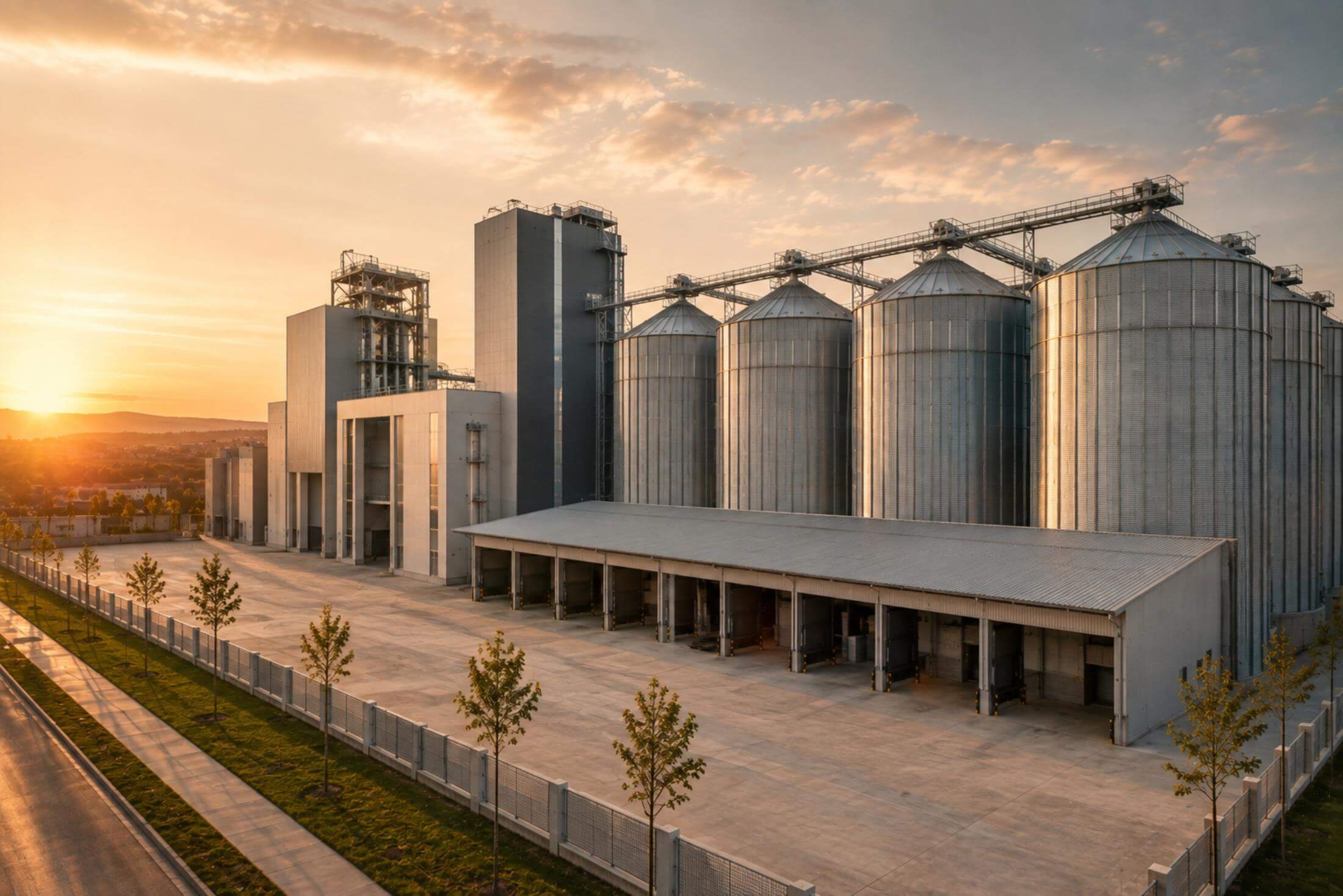
Gaziantep is known around the world for its culinary culture: the crisp sound of baklava, the aroma of stone ovens, and the craftsmanship that turns simple dough into products with a strong identity. The city is also an important manufacturing center where food knowledge and industrial capability meet. For businesses that use flour every day, working directly with a Gaziantep-based producer can therefore create value beyond the purchase itself.
In professional kitchens and production plants, flour affects bread volume, pizza fermentation, baklava sheets, börek layers, pastry texture, yield, and cost. Direct sourcing from a mill offers a more controlled relationship with the producer, making it easier to discuss product performance, specifications, planning, and technical needs. The aim is not merely to shorten the chain, but to make the chain more transparent and responsive.
Advantages of Wholesale and Direct Flour Purchasing
Quick Checklist
Transparent communication: specifications, price structure, and delivery terms are discussed directly.
Freshness and traceability: production, packaging, and batch information are easier to access.
Product matching: technical teams can help identify flour suited to the recipe and process.
Planned logistics: delivery frequency can be coordinated with consumption and storage capacity.
Faster feedback: quality questions and application problems reach the producer without unnecessary layers.
Direct purchasing is most valuable when the business has a clear understanding of what it needs. A bakery, pizzeria, baklava producer, hotel, catering company, or industrial manufacturer does not use flour in the same way. The conversation should begin with the final product and production method.
Why Direct Sourcing from a Flour Mill Matters
Price is usually the first point discussed, but it should not be the only one. Professional buyers also need to know how the flour behaves, whether the same performance can be maintained across batches, how quickly the supplier can respond, and whether delivery can support the production schedule.
A bread producer looks for fermentation tolerance, gas retention, volume, crust, and crumb. A pizzeria values extensibility, hydration, and holding time. A baklava producer needs color, fine opening, and tear resistance. A pastry operation may require a tender structure and controlled gluten development.
A producer with a broad, application-focused portfolio can evaluate these needs more accurately than a general supplier that treats every flour as interchangeable. Direct communication helps prevent purchasing based on name or price alone.
Benefits of Direct Mill Sales
More Transparent Price and Cost Management
Flour prices are influenced by wheat quality, product type, packaging, order volume, logistics, payment terms, and market conditions. Direct contact allows the parties to clarify which factors are included in the offer and compare alternatives on the same basis.
The lowest price per ton may not produce the lowest cost in use. Flour with better absorption may improve yield. Consistent flour may reduce waste and line adjustments. Planned delivery may lower emergency freight and excess inventory.
A meaningful commercial evaluation therefore includes purchase price, water absorption, process efficiency, waste, storage, delivery, and support.
Freshness and Stock Planning
Direct sourcing does not mean that flour should be used immediately after milling without regard to technical suitability; flour often needs controlled maturation. The advantage lies in visibility and planning. The buyer can understand production dates, packaging, batch information, and delivery schedules more clearly.
Regular deliveries reduce the need to keep excessive stock. This protects warehouse space and lowers the risk of aging, humidity exposure, or poor rotation. The supplier and customer can establish a rhythm based on real consumption.
Choosing Flour According to Application
Direct technical communication makes it easier to match flour to the product. The buyer can share the recipe, equipment, fermentation time, target texture, and current challenges. The mill can recommend samples and evaluate results.
This is especially valuable when a business launches a new product or changes equipment. Flour that worked on one line may require adjustment on another. Joint trials accelerate the learning process.
Product Quality Assurance: The Same Recipe, the Same Result
Professional production depends on repeatability. Customers expect the bread, pizza, baklava, or pastry they buy today to resemble the one they bought last week. Consistent flour contributes to this stability.
Quality assurance includes wheat selection, milling control, laboratory testing, packaging, traceability, and shipment. The buyer should receive agreed specifications and should have a clear process for reporting deviations.
Direct contact allows technical teams to compare information quickly. If dough suddenly absorbs less water, becomes more elastic, or changes color, the producer can review batch data while the customer reviews storage, mixing, and process conditions.
|
Direct-Sourcing Benefit |
Value for the Business |
|
Technical access |
Faster discussion of flour behavior and application |
|
Traceability |
Clearer connection between shipment, batch, and quality data |
|
Portfolio matching |
Easier selection for bread, pizza, baklava, pastry, or special products |
|
Delivery planning |
Stock levels can be aligned with consumption |
|
Quality communication |
Problems can be evaluated with fewer communication layers |
|
Commercial transparency |
Price, packaging, logistics, and terms are discussed directly |
From Wheat to Flour: Visibility Across the Process
The journey begins with wheat selection. Different wheat varieties and growing conditions influence protein, hardness, color, and processing. At the mill, cleaning removes foreign material, conditioning prepares the kernel, and roller systems separate and reduce the grain into flour streams.
Blending allows the producer to build a flour profile for a specific use. Laboratory and baking tests help verify whether the product meets analytical and practical targets. Packaging then protects the flour during storage and transport.
When buyers work directly with the producer, they gain a clearer understanding of this chain. This does not require access to every confidential production detail, but it supports confidence that the product is managed systematically.
Advantages for Businesses Buying in Volume
High-volume customers need more than a product list. They need supply continuity, forecasting, packaging options, logistics planning, and technical support.
Direct mill relationships may enable:
Scheduled deliveries according to weekly or monthly consumption.
Product samples and line trials before approval.
Technical consultation for hydration, mixing, or fermentation.
Multiple product groups from one producer.
Brand-specific or application-specific discussions where feasible.
Faster complaint investigation and corrective action.
The relationship should be supported by written specifications, commercial agreements, and performance reviews. Direct contact is valuable because it makes these processes easier to coordinate, not because it removes the need for discipline.
Logistics from Gaziantep to Different Markets
Gaziantep’s manufacturing and trade infrastructure connects producers with customers across Türkiye and export markets. For a buyer, geography should be evaluated through lead time, freight structure, delivery reliability, and contingency planning.
A supplier does not need to be geographically closest to create the best value. Reliable planning, suitable transport, predictable delivery windows, and product consistency can be more important than distance alone.
Businesses should share forecasts, seasonal peaks, and warehouse restrictions. Before Ramadan, holidays, tourism season, or new-store openings, demand can increase sharply. Early communication allows the mill and logistics teams to prepare.
Technical Support as Part of the Supply Model
Flour is a natural product and can respond to changes in temperature, humidity, ingredients, and equipment. Technical support helps the customer distinguish between flour-related variation and process-related variation.
A useful technical discussion may include:
Target dough temperature.
Water absorption and hydration.
Mixing time and energy.
Resting and fermentation.
Sheeting, dividing, or extrusion behavior.
Baking color and texture.
Storage and stock rotation.
The most effective result comes when the producer’s technical team and the customer’s production team review data together rather than relying only on impressions.
Why Özmen Un for Direct Supply?
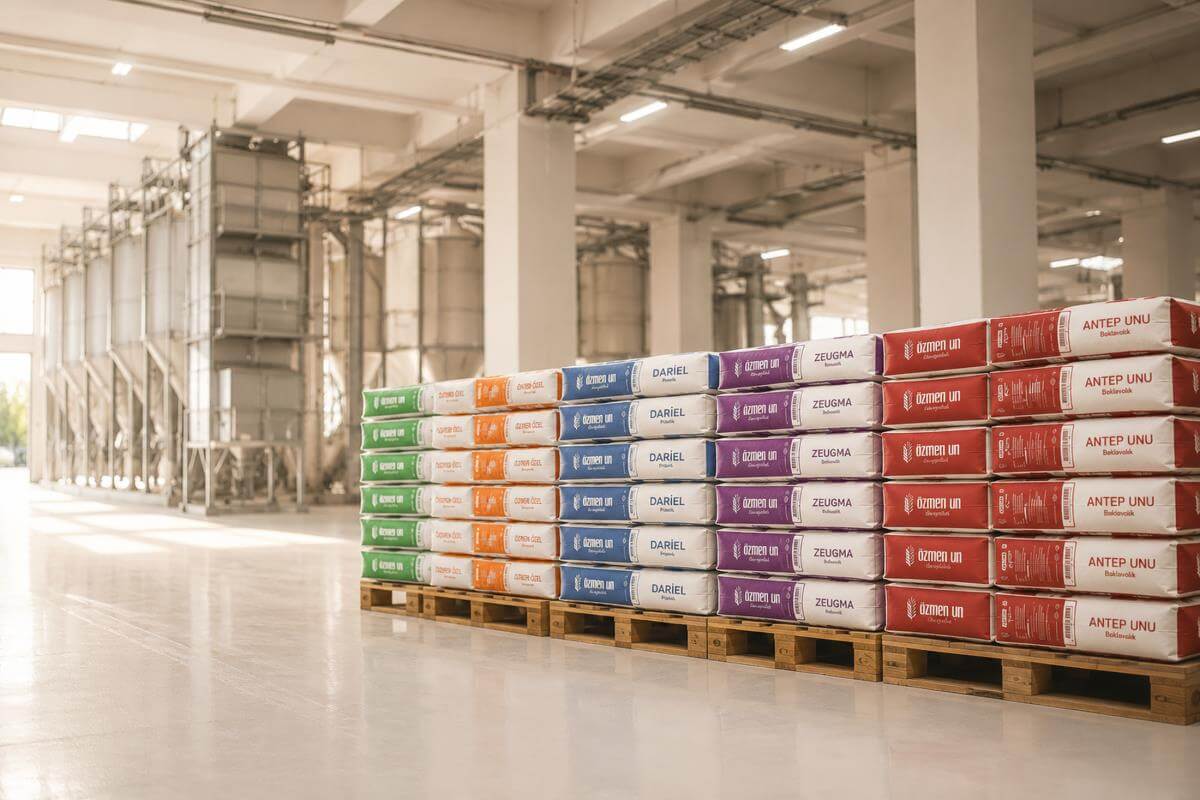
Özmen Un operates from Gaziantep with a product approach organized around different areas of use. This enables businesses to discuss flour not as a single commodity, but as a functional ingredient whose characteristics must match the product.
For bakeries, pizzerias, baklava producers, patisseries, hotels, restaurants, distributors, and industrial users, direct contact creates a route to product information, commercial planning, and technical evaluation.
The benefit is strongest when the buyer arrives with clear expectations and production data. The supplier can then propose a more relevant solution, and both sides can define how success will be measured.
Direct Sourcing Is a Strategic Choice
Sourcing directly from a flour mill is not automatically the right model for every small purchase, but it can be highly valuable for businesses with regular consumption, technical requirements, or growth plans. It creates the possibility of greater transparency, application-focused selection, traceability, supply planning, and responsive communication.
The real advantage is control. The buyer understands the product better, the producer understands the operation better, and decisions can be made using shared information. This transforms flour purchasing from a simple transaction into part of the business’s quality and efficiency strategy.
Frequently Asked Questions About Direct Flour Supply
Is buying directly from a flour mill always cheaper?
Not necessarily in every order. The value depends on volume, product type, freight, packaging, terms, and support. Direct sourcing can improve total cost through better planning, yield, consistency, and reduced intermediary layers.
How does direct sourcing improve quality control?
It gives the buyer clearer access to specifications, batch data, technical teams, and complaint processes. This makes it easier to investigate performance and maintain agreed standards.
Which businesses benefit most from direct flour purchasing?
Bakeries, pizzerias, baklava and pastry producers, hotels, restaurants, distributors, and industrial manufacturers with regular consumption or application-specific needs can benefit strongly.
What information should a business share when requesting an offer?
Share product type, monthly volume, packaging preference, delivery location, frequency, payment expectations, recipe or process needs, and any technical problems that the flour must help solve.