How to Choose the Right Flour for Your Business
In a professional kitchen, flour purchasing should never be reduced to comparing price lists. Whether the business is a bakery, patisserie, hotel, restaurant, pizza chain, central kitchen, or industrial manufacturer, flour directly affects product consistency, labor, yield, waste, equipment performance, and customer satisfaction.
If the same recipe produces different results from one week to the next, the cause may not be only the operator or the machine. Dough that is sometimes too tight and sometimes too soft, pizza that changes after fermentation, or pastry that spreads differently can indicate variation in flour behavior. For this reason, professional flour selection is a strategic operating decision rather than a routine purchasing task.
Technical Criteria for Professional Flour Selection
Quick Checklist
Bakery: volume, fermentation tolerance, crust, and crumb.
Patisserie: softness, shortness, layering, and product-specific shape.
Pizzeria: extensibility, long fermentation, opening, and base performance.
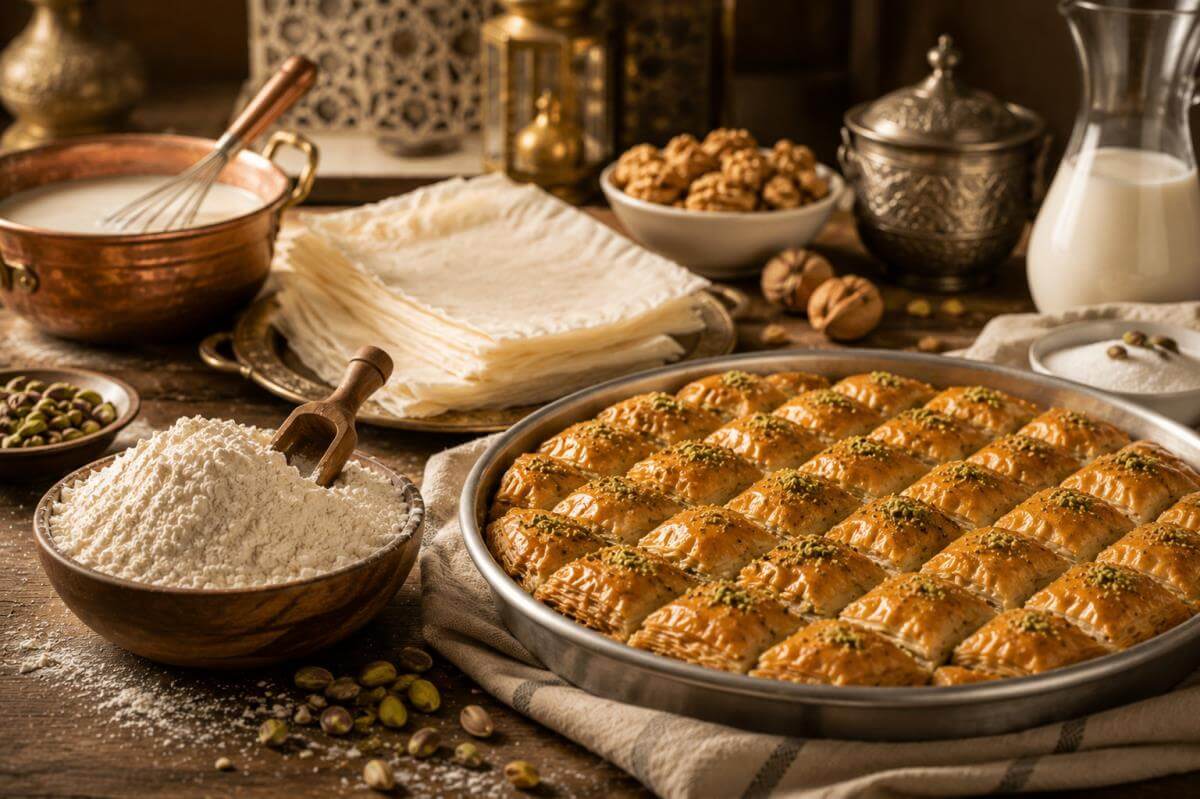
Baklava producer: color, ash level, thin rolling, tear resistance, and syrup tolerance.
Industrial producer: batch consistency, line compatibility, yield, and technical support.
The phrase “best flour” has no useful meaning without context. The right flour is the one that performs according to the product, process, equipment, and commercial target of the business.
Start by Defining the Product and Process
Before requesting samples, define what the flour must achieve. A useful technical brief includes:
Final product and target texture.
Daily or monthly production volume.
Recipe and hydration.
Mixing equipment and mixing time.
Resting or fermentation schedule.
Dividing, sheeting, depositing, or extrusion method.
Baking temperature and time.
Required shelf life and packaging.
Current problems such as tearing, spreading, low volume, or inconsistent color.
This information allows the supplier to recommend a relevant product instead of offering a generic flour. It also creates a clear basis for comparing samples.
Protein Content and Gluten Quality
Protein content is an important first indicator, but it must be interpreted with protein quality. Wheat proteins form gluten when mixed with water. The gluten network determines strength, elasticity, extensibility, gas retention, and processing behavior.
Bread and long-fermented pizza generally need stronger structure. Cakes, cookies, and delicate pastries need controlled gluten development. Baklava needs a special balance: the dough must stretch very thin without tearing or constantly pulling back.
High protein is not always better. Excessively strong flour can increase mixing time, make dough difficult to sheet, and create a tough bite. Low-protein flour may be ideal for cake but unsuitable for yeast-leavened bread. Match strength to the product.
Water Absorption and Yield
Water absorption affects both dough consistency and cost. Flour that can hold more water while maintaining stability may increase yield, but only when the product and process can use that hydration effectively.
A purchasing comparison should therefore include the recipe result, not only the flour price. Suppose one flour is cheaper per ton but needs less water, causes more sticking, and increases waste. Another may cost slightly more but improve dough yield and line efficiency. The second can have a lower total cost in use.
During trials, record the exact water quantity, dough temperature, mixing time, handling, and finished-product weight. These measurements turn flour evaluation into evidence rather than opinion.
Ash, Color, and Milling Characteristics
Ash level is associated with mineral content and extraction. It can influence flour color and suitability for different products. Baklava and light pastry often require a clean, pale profile; rustic bread may benefit from a higher-extraction, more aromatic flour.
Particle size and milling uniformity also influence hydration and texture. Fine, homogeneous flour is important in cake and fine pastry, while some traditional or whole-grain products intentionally use a more characteristic structure.
The supplier specification should define relevant parameters, but the finished product remains the final judge.
|
Evaluation Area |
Questions to Ask |
|
Product fit |
Does the flour produce the target volume, texture, color, and handling? |
|
Process fit |
Does it work with current mixing, fermentation, sheeting, or line speed? |
|
Yield |
How much water can be used, and what is the finished-product output? |
|
Consistency |
Does performance remain stable across batches and shifts? |
|
Supply |
Can the supplier support volume, delivery frequency, and seasonal peaks? |
|
Technical support |
Can issues be investigated quickly with application knowledge? |
|
Total cost |
What are the effects on waste, energy, labor, downtime, and complaints? |
Evaluate Flour Under Real Production Conditions
Laboratory analysis and small test batches are useful, but approval should include a realistic production run. Use normal equipment, operators, ingredient brands, and production timing. A sample that works in a small mixer may behave differently in a large industrial system.
Plan the trial in advance. Define acceptance criteria such as:
Mixing time and dough temperature.
Water absorption.
Machine handling.
Fermentation stability.
Product weight and volume.
Baking color.
Texture immediately and after storage.
Waste and rework.
Compare the candidate flour with the current approved product. Use the same conditions wherever possible. If one variable changes, record it.
Batch Consistency and Specification Management
Professional operations need more than a strong first sample. They need flour that remains within an agreed performance range.
Request a current specification and define critical parameters. Establish a process for changes in raw material, formulation, or production. When a shipment performs differently, both supplier and customer should be able to review batch data and production records.
Consistency does not mean that a natural product will never show variation. It means variation is controlled within a range that the process can tolerate, and deviations are investigated transparently.
Food Safety and Traceability
The supplier should demonstrate an effective food-safety system, including control of contaminants, foreign material, pests, allergens where relevant, packaging integrity, and recall readiness.
Traceability connects each delivery to production and quality records. The buyer should also maintain receiving, storage, and usage records. When a problem occurs, this shared chain makes investigation faster and more accurate.
Check certificates for scope and validity, but do not rely on certificates alone. Audit information, complaint history, response quality, and practical controls are also important.
Logistics Reliability and Stock Strategy
The right flour must arrive on time. Evaluate lead time, minimum order quantity, delivery frequency, transport conditions, and the supplier’s ability to respond during seasonal peaks.
Set minimum, target, and maximum stock levels. Too little stock creates line-stop risk; too much increases storage cost and quality risk. Apply FIFO or FEFO and protect flour from humidity, heat, odors, and pests.
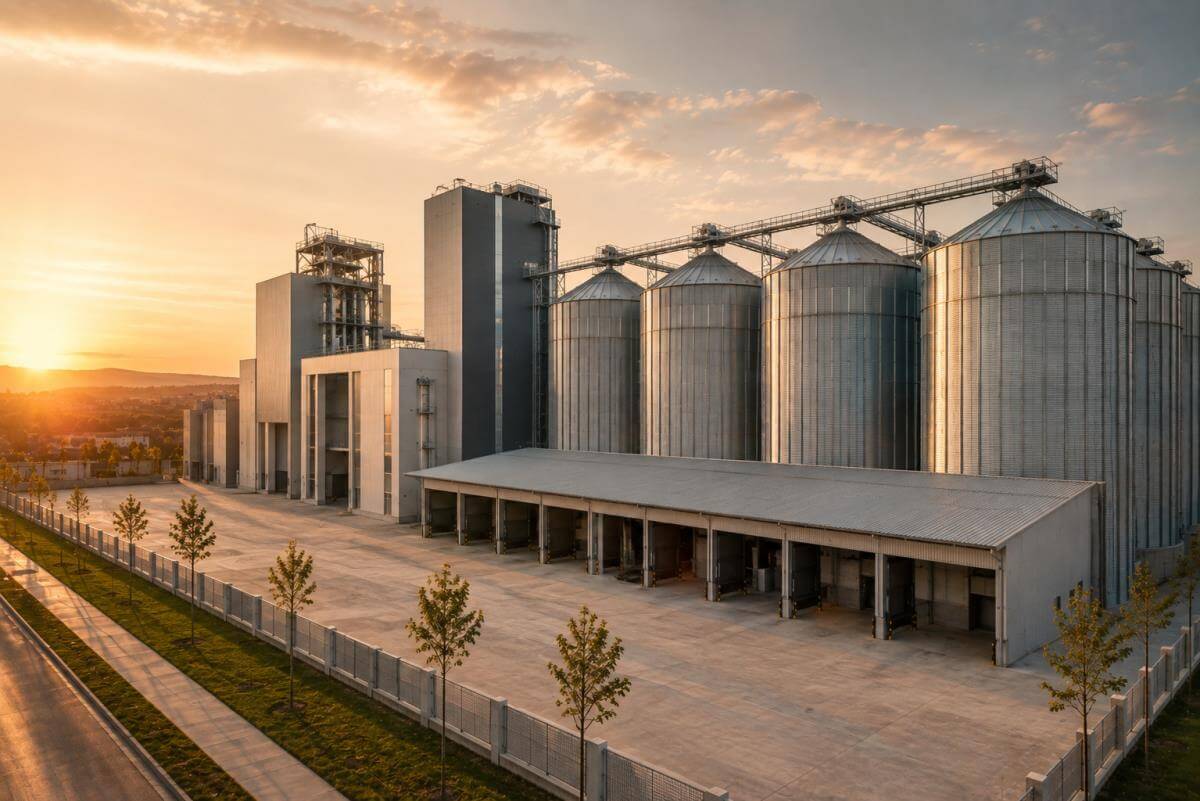
For bulk flour in silos, confirm transfer hygiene, silo identification, and product-change procedures. For bags, inspect packaging at receipt and keep pallets away from floors and walls.
Technical Support as a Purchasing Criterion
Technical support is most valuable before problems become complaints. A supplier with application knowledge can help evaluate hydration, mixing, fermentation, opening, baking, and storage.
When performance changes, data should be shared by both sides. The supplier reviews the batch and specification; the customer reviews warehouse conditions, recipe, dough temperature, equipment, and operator records. This collaborative method prevents premature conclusions.
Compare Total Cost, Not Only Price
Total cost in use includes:
Flour purchase price.
Freight and unloading.
Water absorption and yield.
Mixing time and energy.
Waste, rework, and rejected products.
Production speed and downtime.
Storage and financing.
Customer complaints and returns.
Technical service and emergency response.
A flour that improves consistency can create value far beyond a small difference in unit price. The goal is not the cheapest flour; it is the most efficient flour solution for the intended product.
Building a Supplier Scorecard
A simple scorecard makes supplier performance visible. Review indicators such as:
On-time, in-full delivery.
Batch acceptance rate.
Complaint frequency.
Response and closure time.
Technical trial success.
Documentation accuracy.
Commercial competitiveness.
Improvement participation.
Discuss results periodically. A transparent review supports both accountability and long-term cooperation.
Application-Focused Solutions from Özmen Un
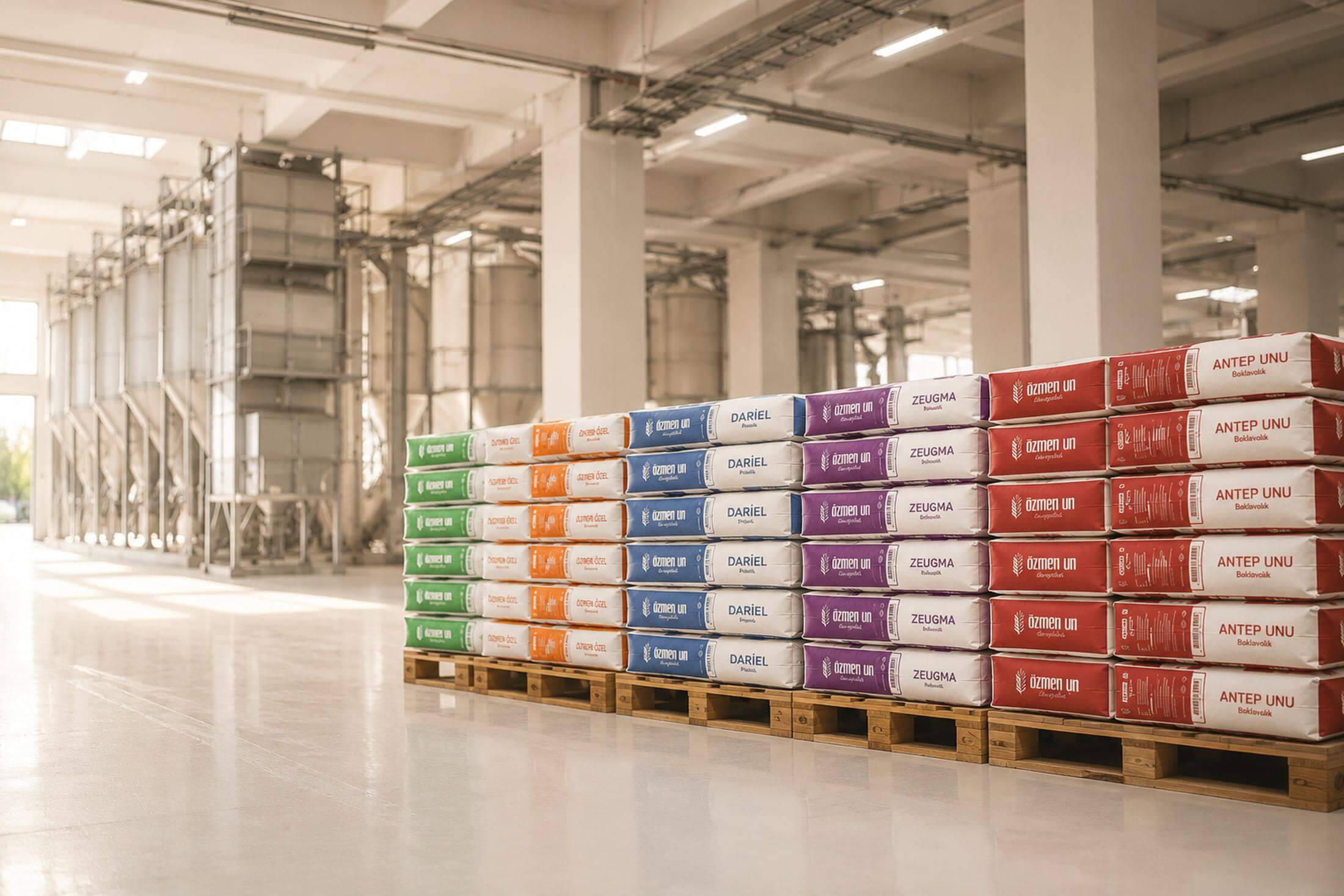
Özmen Un offers flour varieties organized around different areas of use, helping businesses approach flour as a functional ingredient rather than a single commodity. This supports conversations for bread, pastry, pizza, baklava, börek, and brand-specific requirements.
The most effective selection begins with the customer’s product and process. By sharing technical expectations and production data, the business can evaluate alternatives more accurately and create a more stable supply model.
The Right Flour Improves Efficiency and Brand Consistency
Flour is one of the earliest decisions in the production chain, yet its effect is visible in the final product the customer buys. The right selection supports texture, appearance, process stability, and predictable cost.
A disciplined flour sourcing process combines technical criteria, real trials, food safety, traceability, logistics, support, and total cost. Businesses that manage these areas together protect both daily operations and long-term brand quality.
Frequently Asked Questions About Professional Flour Selection
What is the first step in choosing flour for a business?
Define the final product, process, equipment, hydration, fermentation, target texture, and current production problems. This brief guides sample selection and trial criteria.
Is high-protein flour always better?
No. High protein is useful for certain breads and long-fermented doughs, but it can make cakes, cookies, or delicate pastry tough. The correct protein structure depends on the product.
How should flour samples be tested?
Test them under normal production conditions and record water absorption, mixing, dough temperature, machine handling, fermentation, yield, color, texture, waste, and storage performance.
Why is technical support important?
Flour performance is influenced by recipe, equipment, temperature, storage, and natural variation. Technical support helps identify causes, optimize use, and resolve deviations more quickly.