What is semolina?
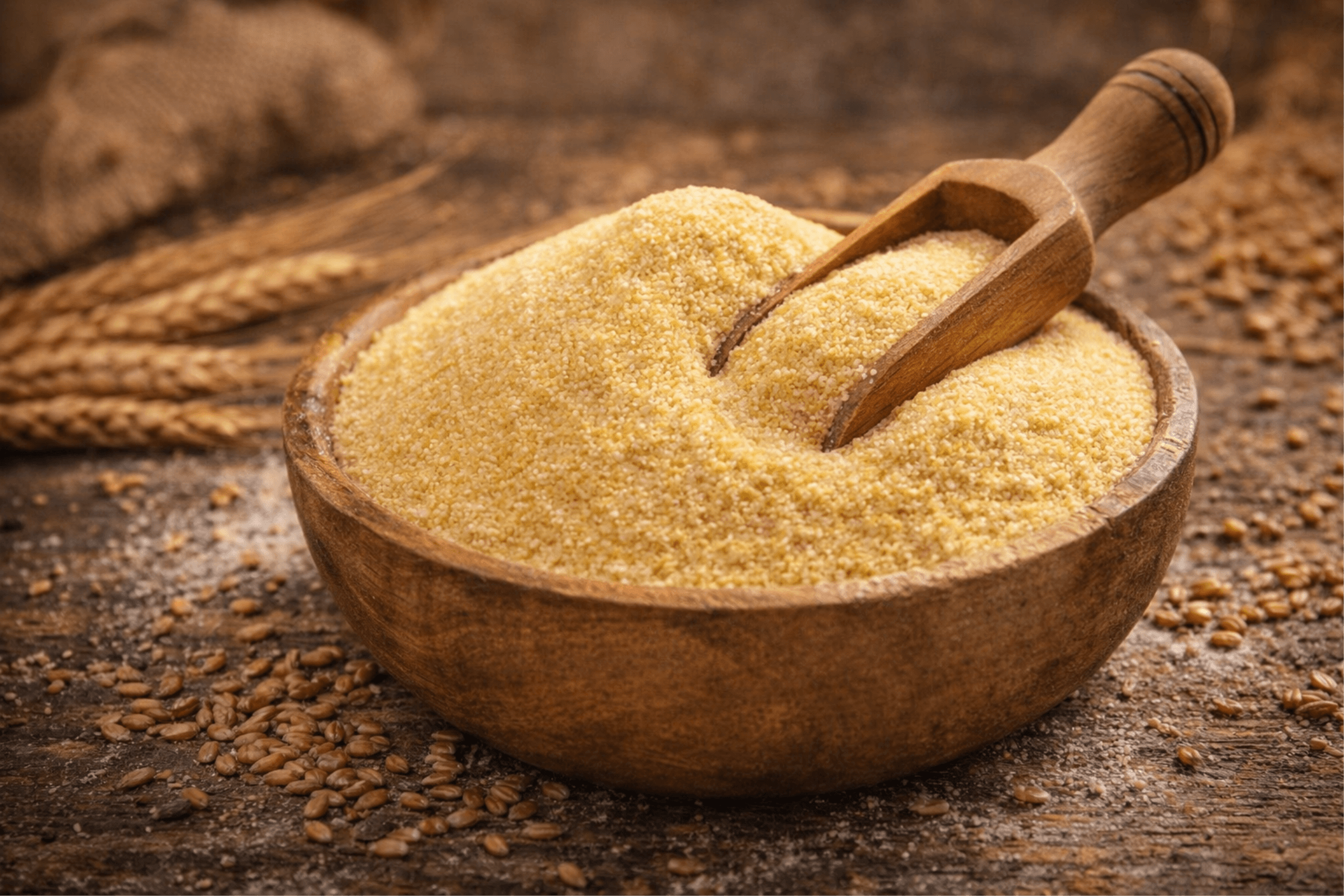
What is semolina? That golden-yellow flavour journey from the heart of wheat
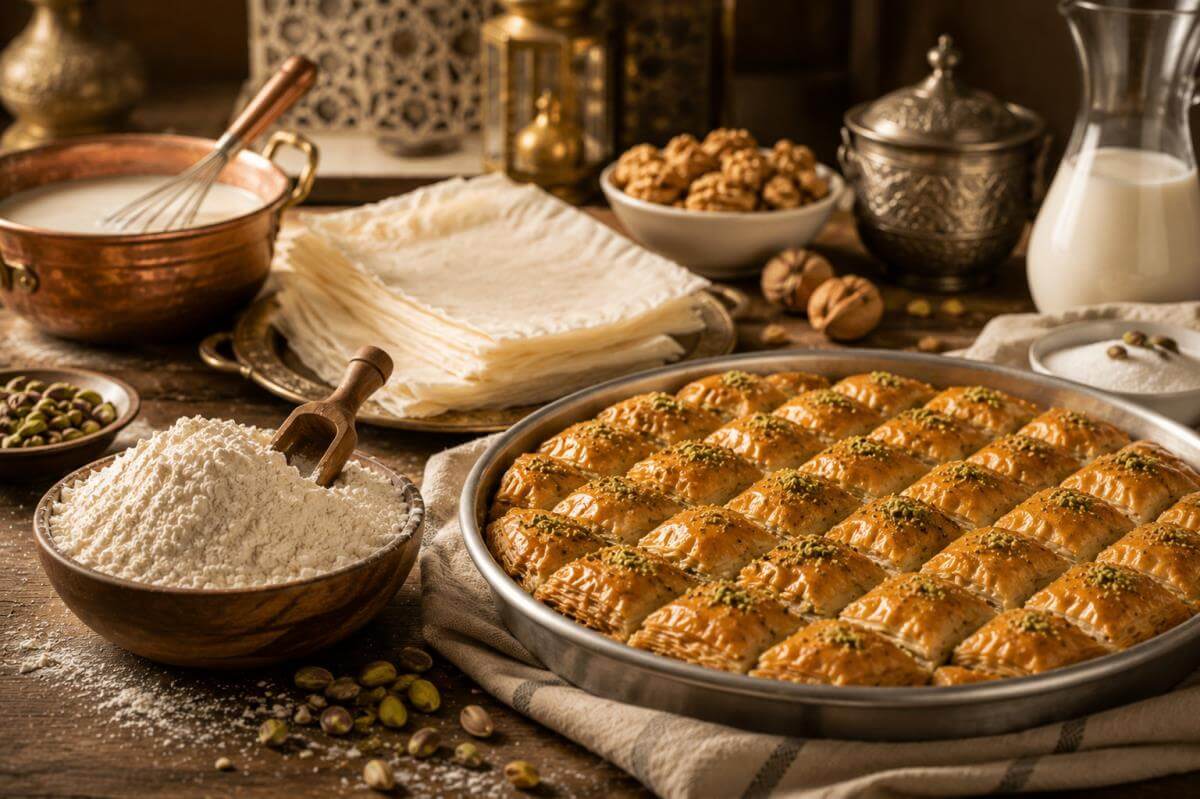
Semolina is one of the oldest and most enduring ingredients in our culinary culture, yet its value is often only recognised when it comes to making halva. You know that wonderful smell of butter-fried semolina that hits your nose when you walk into the kitchen? Well, that smell is actually the scent of a tradition stretching back thousands of years, the scent of the earth and of labour. This golden treasure, which the Italians call "semolina" and use to give their pasta its soul, and which we crown our tables with, is born from grinding the most resilient and tastiest parts of durum wheat.
To dismiss it as merely a dessert ingredient would be a great injustice. From the rich consistency it adds to soups to the crispiness it imparts when sprinkled on pizzas, it is actually present everywhere. Özmen Un - Home Use Flours Series - Semolina, preferred for daily use in home kitchens, brings this versatile ingredient to your table in a practical way. At Özmen Un, we process this golden treasure in its most natural form and bring it to your table. There are certain flavours that instantly transport you back to your childhood, to holiday mornings, or to those memorable halva gatherings between slices of bread... Our Burgos series is designed to bring those unforgettable moments to life and crown your culinary mastery.
Semolina or Semolina? The Fine Line Between Them
Many people ask each other in the kitchen, "Are semolina and semolina the same thing?" Technically, both are derived from the same wheat (durum wheat), but their uses vary depending on their texture. In world cuisine, "semolina" brings to mind the firm texture of Italian pasta; in our cuisine, semolina means halva that melts in your mouth, syrupy desserts, and soft milk puddings.
The real secret lies in how finely or coarsely the wheat is ground. The granular structure of semolina changes everything, from how much water it absorbs during cooking to the smooth sensation it leaves on your palate when eaten. There is only one indicator of quality semolina: the hardness and colour of the wheat used. Semolina from high-protein wheat never loses its shape in the pot and immediately reveals that coveted amber colour. At Özmen Un, we have elevated this to an "artisan" level in our Burgos series and offer you different numbers from 0 to 3. Each number is the secret code for a different skill, a different recipe in the kitchen.
What Do the Burgos 0-1-2-3 Numbers Mean? Which Number Should You Use Where?
If you want the best in the kitchen, knowing which semolina to use where is actually half the battle. Here's the guide you need at your fingertips when you step up to the counter:
Burgos 0 (Finest): This is the most delicate and refined of the series. It is as smooth as flour but still retains the character of semolina. If you're making a silky milk semolina dessert, a smooth pudding, or very light sauces, Burgos 0 Semolina Flour is definitely the one you're looking for. It melts in your mouth without leaving any grains behind.
Burgos 1 (Fine-Medium): This is the ideal choice for the famous "summer halva" or baby food. If you want to feel the texture of the semolina slightly but not have it be heavy when eating, Burgos 1 Semolina Flour is the perfect choice.
Burgos 2 (Medium-Coarse): This is the favourite of real pasta makers and halva masters! Those who make their own pasta at home should use Burgos 2 Semolina Flour to achieve that "al dente" (to the tooth) texture. The secret to semolina halva that crumbles into grains and dissolves when you tap it with a spoon is also hidden in this number.
Burgos 3 (Coarsest): The boldest and coarsest grain in the series. It is ideal for giving rustic breads that amazing crunchiness underneath or on top. For adding character to traditional handmade pasta or preparing pizza bases that are crispy on the outside and soft on the inside, look no further than Burgos 3 Semolina Flour.
From Pasta to Dessert: The Endless Versatility of Semolina
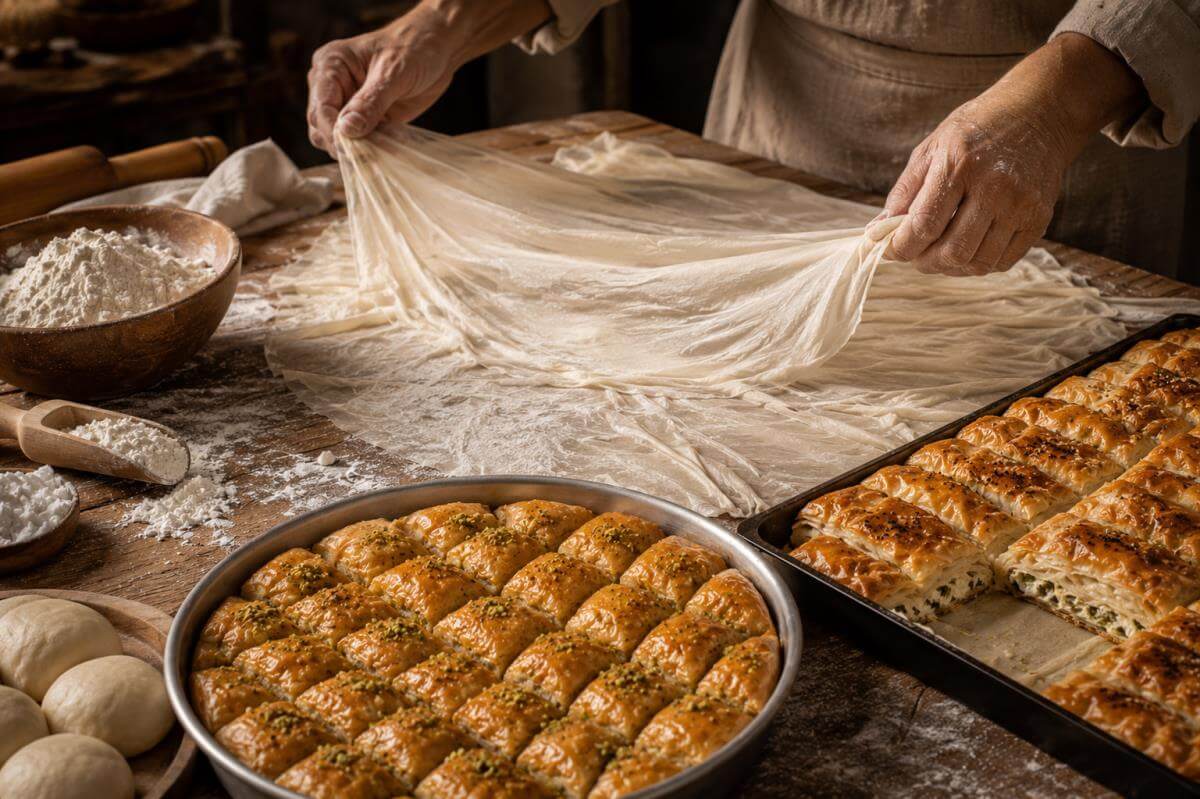
Semolina isn't just a helper in the kitchen; it's actually the secret playmaker on the field. The reason pasta sauce clings so beautifully and halva has that unique texture is because of the water absorption capacity of high-quality semolina. Those who make their own pasta at home know that using the right semolina prevents the dough from tearing and gives it that elastic and resilient structure.
When we turn to our traditional cuisine, semolina is indispensable for holidays and those most special guest tables. Choosing the right type when making a Balıkesir Hoşmerim, Mersin Kerebici, or trying to achieve the porous texture of Hayrabolu dessert elevates the result from "good" to "legendary." Here's a little secret: add a bit of Burgos 1 semolina to your minced meat mixture. You'll see how resilient it becomes when you roll it out, how it stays intact and rolls out thinly, and you'll agree with us.
Why Should We Consume Semolina? (It's Not Just About Taste!)
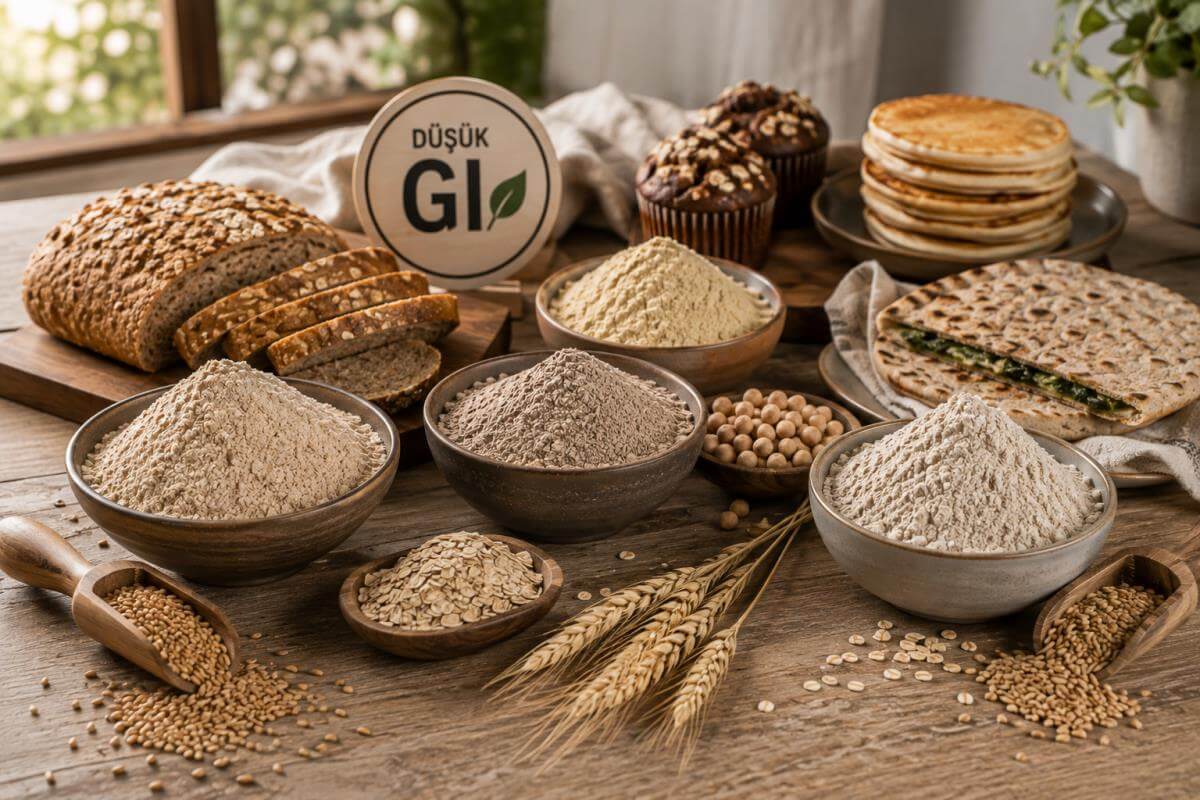
In recent years, as healthy eating has become a topic of conversation, we've started hearing more about semolina. Why? Because semolina provides energy to the body not all at once, but slowly and steadily. This keeps you full for a long time, cutting off those sudden hunger pangs that come after lunch like a knife. Its high fibre content compared to white flour is also a great relief for your digestive system.
The magnesium in bulgur wheat is good for your heart, while the iron, phosphorus and vitamin B complex keep your body strong. Prepared without human contact with Özmen Un's renowned meticulousness, the Burgos series brings all these nutritional values to your kitchen in their freshest form. Especially for children in their growth phase, semolina is both beneficial for bone development and a delicious energy source that children love.
A Few Expert Tips for Perfect Semolina Halva
If you start with high-quality semolina, you're already one step ahead. But the biggest secret to making legendary halva is patience! You must stir the semolina constantly over low heat until that nutty aroma fills the entire kitchen and the colour turns to a deep amber. Ensure that each grain of semolina is "sealed" with butter. When you add the syrup, the grains should remain separate and firm, which is entirely a reflection of the Burgos number you used.
Storage conditions are also important; keep your semolina in a cool, dry place away from sunlight so that its beautiful wheat aroma is preserved. Whether you're aiming for the perfect consistency of Hayrabolu dessert or the famous texture of the outer coating of stuffed meatballs, every recipe made with Özmen Un flour will make you say, "I'm so glad I chose this ingredient," with every bite.
Özmen Un: A Story of Craftsmanship from Nature to the Table
At Özmen Un, we combine the ancient bounty of Anatolia with the standards of the modern world. We carefully select our hard wheat from the fields and grind it while preserving its nutritional value. We are with you in every culinary masterpiece you create in your kitchen, with the golden yellow colour and perfect texture of our semolina. Burgos is not just a packet of semolina; it is a symbol of craftsmanship that brings the warmth of traditional tables to the present day.
Discover the professional world of Özmen Un to make room for health, flavour, and true craftsmanship at your table. Remember, the most beautiful stories and the most delicious recipes always begin with the highest quality ingredients and the right products at . Be the chef of your own kitchen and feel the bounty of the earth in every bite!