Alternative Flours and Recipes for Gluten-Free Eating
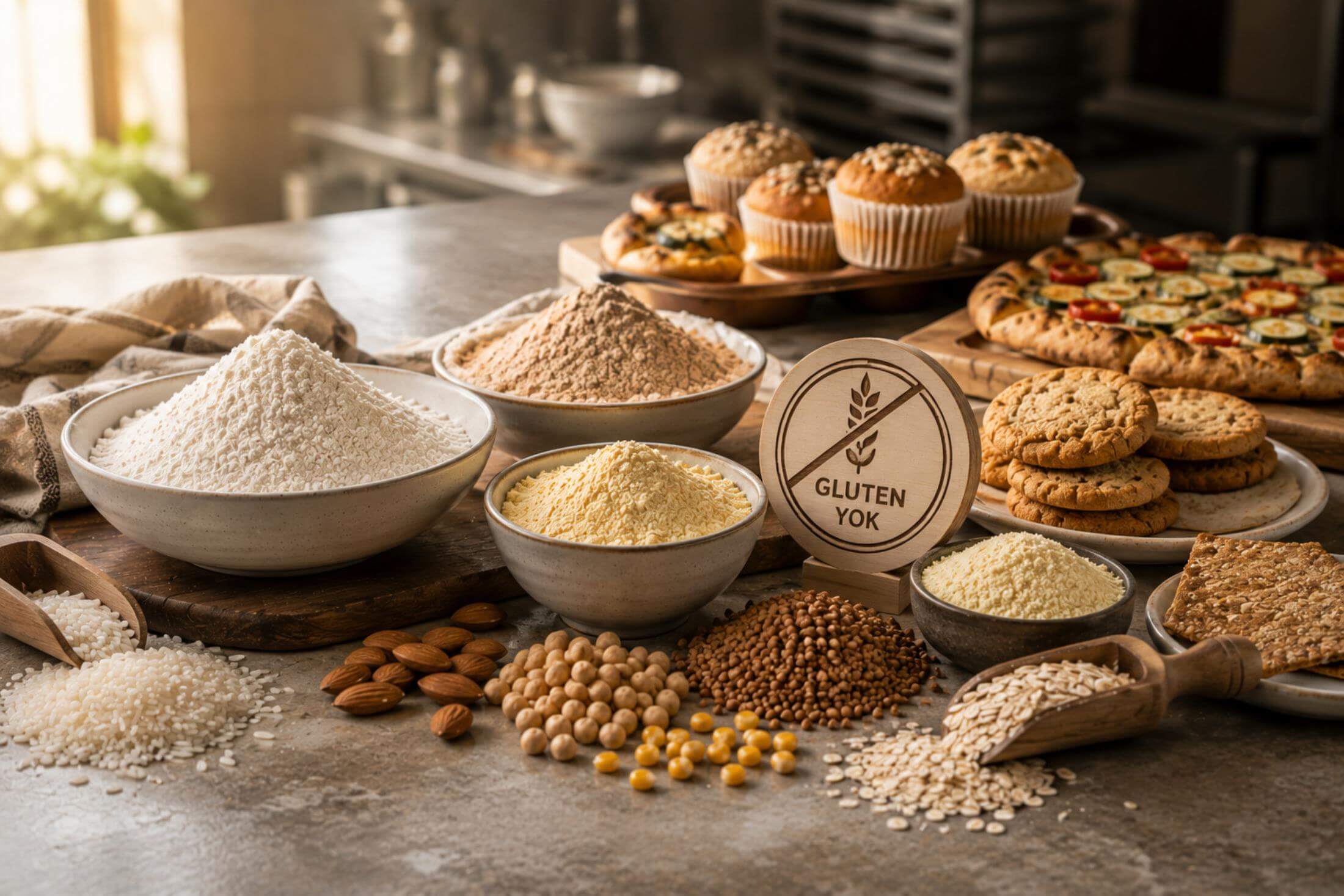
Gluten-free eating is not simply a matter of removing wheat flour from a recipe. The real challenge is deciding what should replace it, understanding how that ingredient behaves, and preparing food in a way that is safe for the person who will eat it. Gluten provides elasticity, structure, and gas retention in traditional doughs. Once it is removed, recipes require a different balance of flour, starch, moisture, fat, eggs, or other binders.
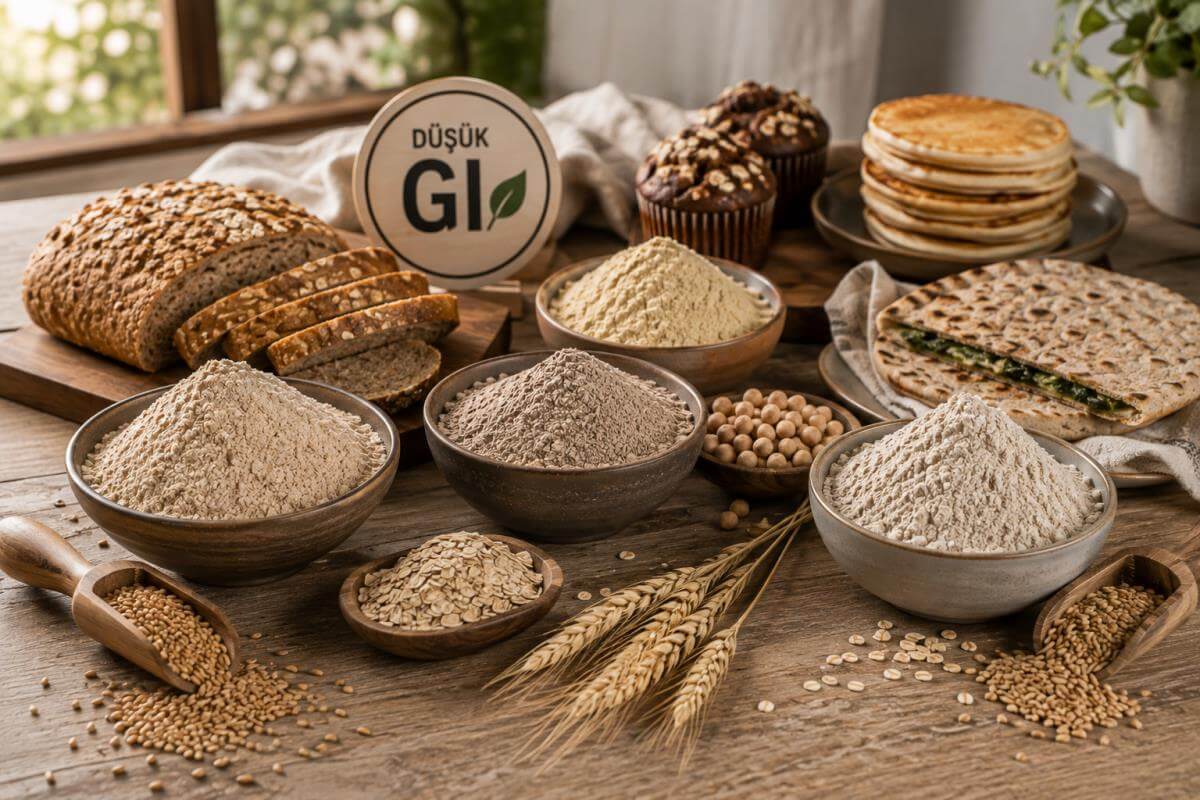
Rice flour can add lightness, almond flour can provide moisture and aroma, buckwheat flour offers a deep and earthy flavor, and chickpea flour works particularly well in savory products. Successful gluten-free cooking often depends on combining these ingredients rather than expecting one flour to imitate wheat in every application. Safety is equally important: labeling, storage, equipment, work surfaces, and cross-contact must be managed carefully.
Popular Gluten-Free Alternative Flours
Quick Checklist
Rice flour: cakes, cookies, batters, and light doughs.
Buckwheat flour: galettes, crepes, and flavorful bread blends.
Chickpea flour: savory pancakes, coatings, and binding.
Almond flour: moist cakes, cookies, and tart bases.
Corn flour or cornmeal: breads, coatings, and regional recipes.
Use balanced blends for better texture instead of relying on one flour alone.
A naturally gluten-free ingredient is not automatically safe for celiac disease. It may be processed, transported, or packaged in facilities that handle wheat, barley, or rye. People who need strict gluten avoidance should choose products that are clearly labeled or certified according to relevant requirements.
What Is Gluten?
Gluten is the name given to a group of proteins found in wheat, barley, rye, and related ingredients. In wheat dough, gluten develops when flour meets water and is mixed. It creates an elastic network that allows bread to rise, pizza to stretch, and poğaça to hold a soft crumb.
For people with celiac disease, gluten triggers an immune response that can damage the small intestine. Strict lifelong avoidance is medically necessary. Wheat allergy and non-celiac gluten sensitivity are different conditions and should be evaluated by qualified healthcare professionals.
A gluten-free product is not automatically lower in calories, higher in nutrients, or suitable for everyone. The value lies in meeting a specific dietary need with safe, balanced, and enjoyable food.
Why Flour Selection Makes Such a Difference
The most common problems in gluten-free baking are dryness, crumbling, dense texture, poor rise, and a gummy center. These occur because the recipe no longer has the elastic network supplied by gluten.
A cake made with 100 percent rice flour may be light but fragile. Bread made with only almond flour may be moist but heavy. Chickpea flour offers binding but can have a strong flavor. Starches such as potato, tapioca, or corn can improve lightness and elasticity, yet too much starch may create a gummy texture.
The best blend depends on the target:
Bread needs structure, moisture retention, and gas-holding support.
Cake needs tenderness and even aeration.
Cookies need controlled spread and crispness.
Crepes need flexibility without tearing.
Coatings need adhesion and crisp frying.
Rice Flour
Rice flour has a neutral flavor and is widely used in gluten-free blends. White rice flour creates a lighter result, while brown rice flour contributes more grain flavor and fiber.
On its own, rice flour can feel gritty or produce a dry crumb. Fine milling, adequate hydration, resting, and blending with starch or nut flour improve the result.
Use it in sponge-style cakes, cookies, pancakes, tempura-like coatings, and sauces. In bread, combine it with starch and a binder.
Buckwheat Flour
Despite its name, buckwheat is not wheat and is naturally gluten-free. It has an earthy, nutty flavor and a darker color. It is traditional in French galettes and works well in crepes, pancakes, noodles, and rustic bread blends.
Buckwheat can dominate delicate desserts, so use it in a moderate percentage with rice flour or starch. Its strong flavor pairs well with mushrooms, cheese, herbs, cocoa, banana, and nuts.
Strict gluten-free users should still verify labeling because cross-contact can occur during processing.
Chickpea Flour
Chickpea flour is rich in flavor and has strong binding properties. It is excellent in savory pancakes, vegetable fritters, coatings, crackers, and egg-free recipes.
Raw chickpea flour has a pronounced legume taste, so it should be cooked thoroughly. Herbs, cumin, paprika, garlic, sesame, and olive oil complement it.
In gluten-free bread or pastry, a small percentage can add structure and nutritional variety. Too much may make the product dense.
Almond Flour
Almond flour provides fat, moisture, and a soft nutty flavor. It is useful in cookies, cakes, tart bases, and naturally dense desserts.
Because it contains no starch-based gluten structure, it cannot replace wheat flour one to one in bread. It often needs eggs or another binder. Products made with almond flour may brown quickly because of their fat and protein content.
People with nut allergies must avoid it, and kitchens should manage allergen cross-contact separately from gluten control.
Corn Flour and Cornmeal
Corn-based flours create yellow color and a recognizable flavor. Fine corn flour can be used in batters, cakes, and blends; cornmeal provides a coarser, more rustic texture in breads and coatings.
Corn does not form gluten, so yeast bread made primarily with corn needs additional structure. It combines well with rice flour, starch, eggs, cheese, yogurt, and oil.
|
Flour |
Main Strength |
Good Applications |
|
Rice flour |
Neutral flavor and lightness |
Cakes, cookies, batters, blends |
|
Buckwheat flour |
Deep flavor and color |
Galettes, crepes, rustic pancakes |
|
Chickpea flour |
Binding and savory character |
Fritters, coatings, crackers |
|
Almond flour |
Moisture and richness |
Cookies, cakes, tart bases |
|
Corn flour or cornmeal |
Color and crisp texture |
Bread blends, coatings, regional dishes |
Building a Gluten-Free Flour Blend
A practical blend often combines three functions:
- A base flour for body, such as rice or sorghum flour.
- A starch for lightness and flexibility, such as potato, tapioca, or corn starch.
- A flavorful or protein-rich flour, such as buckwheat, chickpea, or almond.
For bread, a binder may also be required. Psyllium husk, xanthan gum, guar gum, eggs, flax gel, or chia gel can help, depending on the recipe. These ingredients are not interchangeable in equal amounts, so use a tested formula.
Resting gluten-free batter allows flour and binders to hydrate. This can reduce grittiness and improve consistency. However, batters containing chemical leavening should not always be left too long; follow the recipe.
Safe Preparation and Cross-Contact Control
For a person with celiac disease, a small amount of gluten can matter. Safe preparation includes more than buying gluten-free flour.
Read every ingredient label, including baking powder, spices, chocolate, sauces, and decorations.
Use clean work surfaces and utensils.
Do not use a wooden rolling pin, scratched board, or toaster that holds wheat crumbs unless it is dedicated and safely managed.
Store gluten-free ingredients above wheat flour to reduce spill contamination.
Use separate scoops and clearly labeled containers.
Avoid shared frying oil in which breaded wheat products were cooked.
Wash hands and change contaminated gloves or aprons.
In a professional kitchen, written procedures, training, supplier approval, and verification are essential. “Gluten-friendly” is not the same as medically safe gluten-free food.
Practical Gluten-Free Recipe Ideas
Buckwheat Galettes
Combine buckwheat flour, water, salt, and an egg if desired. Rest the batter, then cook thin crepes on a hot pan. Fill with cheese, vegetables, egg, or mushrooms.
Chickpea Vegetable Pancakes
Mix chickpea flour with water, olive oil, salt, and spices. Add finely chopped vegetables and cook small pancakes until fully set and browned.
Rice and Almond Flour Cookies
Use rice flour for structure and almond flour for moisture. Add butter or a suitable fat, sugar, egg, and flavoring. Chill the dough before shaping if it feels soft.
Gluten-Free Banana Muffins
A blend of rice flour, oat flour labeled gluten-free, and starch works well with ripe banana, eggs, yogurt, or plant-based alternatives. Banana helps retain moisture.
Crisp Corn and Rice Coating
Combine fine corn flour, rice flour, salt, and spices. Use it as a coating for vegetables, fish, or chicken, ensuring all other ingredients and frying conditions are safe.
Preventing Dry, Crumbly Results
Gluten-free recipes often need more moisture than expected. Yogurt, fruit puree, eggs, oil, and milk can help. Avoid overbaking; the product may continue to firm as it cools.
Binders should be measured accurately. Too little causes crumbling; too much can create a rubbery or gummy texture. Let bread cool completely before slicing, because the crumb continues to set after baking.
Reading Labels Carefully
Look for a clear gluten-free statement when strict avoidance is required. Review allergen warnings and manufacturing information. Terms and legal thresholds vary by market, so follow local regulations and medical guidance.
Remember that buckwheat, corn, rice, chickpea, almond, and coconut are naturally gluten-free, but the final product depends on the entire production chain.
A New Approach, Not a Copy of Wheat Dough
The most successful gluten-free food does not always try to imitate wheat perfectly. It uses the strengths of alternative ingredients. Buckwheat can create a flavorful galette; chickpea flour can make an excellent savory pancake; almond flour can produce a rich cookie.
Özmen Un offers flour products for many traditional wheat-based applications. When exploring gluten-free cooking, users should verify product status carefully and choose ingredients specifically labeled for their dietary needs. Safety claims should never be assumed from the ingredient name alone.
Frequently Asked Questions About Gluten-Free Flours
Which flours are naturally gluten-free?
Rice, buckwheat, chickpea, almond, corn, coconut, and many other non-wheat flours are naturally gluten-free. They must still be checked for cross-contact and appropriate labeling.
Can gluten-free flour replace wheat flour one to one?
Usually not. Gluten-free recipes often require a blend of flour, starch, moisture, and binders. Use a tested formula or adjust the recipe carefully.
Is buckwheat related to wheat?
No. Buckwheat is not wheat and is naturally gluten-free. Its name can be confusing, so strict users should still check the product label and processing conditions.
How can cross-contact be prevented at home?
Use clean or dedicated utensils, containers, boards, toasters, and frying oil. Store gluten-free ingredients separately, read every label, and prevent wheat flour dust or crumbs from reaching the preparation area.