Dough Texture and the Protein Content of Flour
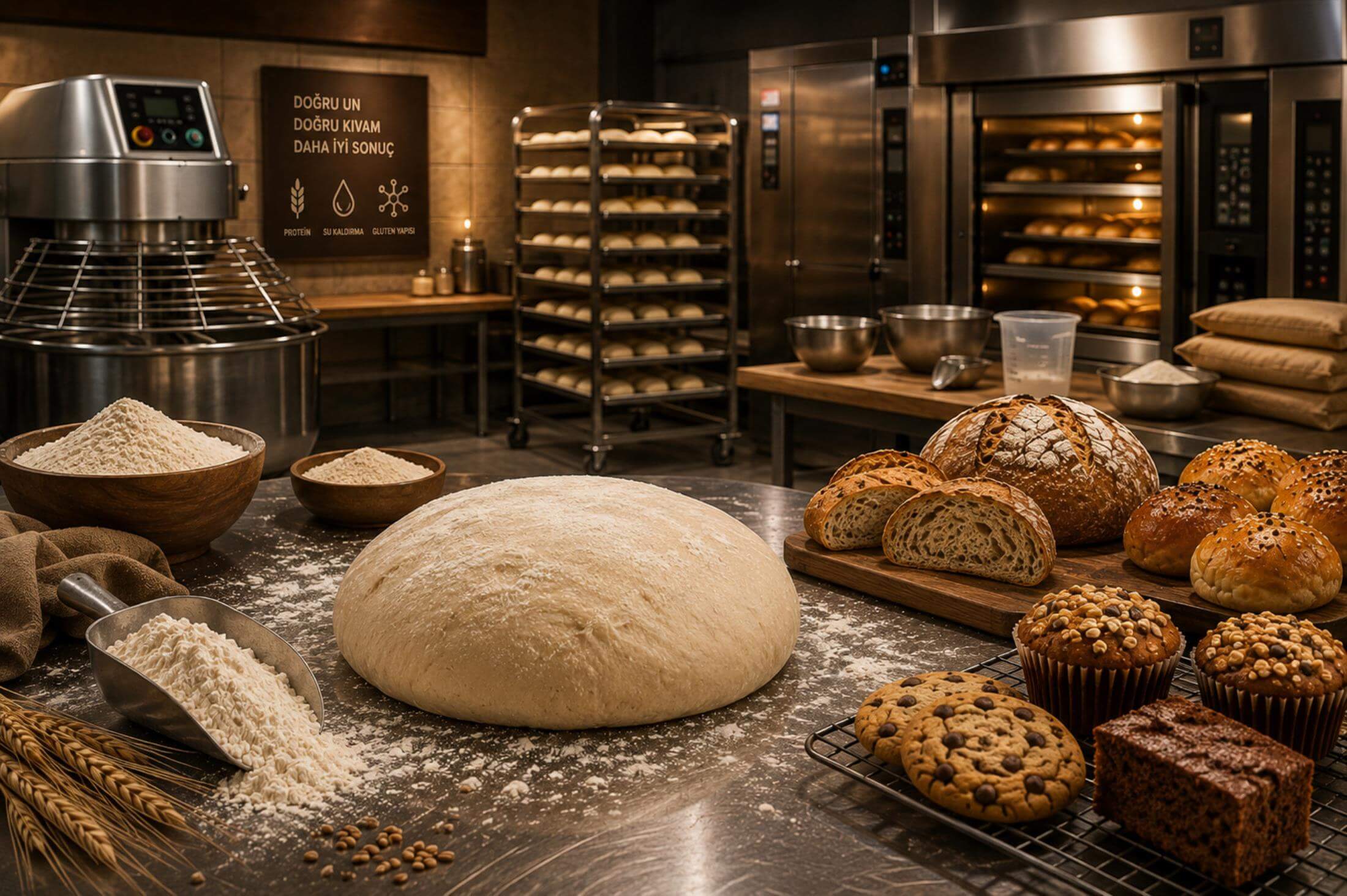
Why does bread dough rise beautifully one day and remain dense the next? Why does pizza dough keep shrinking as it is stretched? Why does a cake that should be soft become chewy? The answer is not always the recipe or the baker. The protein content of flour has a direct influence on gluten development, water absorption, elasticity, volume, and final texture.
Terms such as bread flour, pastry flour, all-purpose flour, and high-protein flour are not simply marketing labels. They describe different performance expectations. Bread needs strength and gas retention. Cake needs tenderness. Cookies need shortness and controlled spread. Börek needs rollability, and pizza needs both extensibility and fermentation tolerance.
Understanding protein content is useful not only for professional bakers, but for anyone who wants more predictable dough and better results at home.
Which Recipes Need High-Protein Flour?
Quick Checklist
High-protein flour: bread, bagels, long-fermented pizza, and high-volume yeast doughs.
Medium-protein flour: poğaça, börek, pide, and everyday multipurpose recipes.
Lower-protein flour: cakes, cookies, tarts, and tender pastry.
Evaluate protein together with gluten quality and water absorption.
A higher number is not automatically better. Flour is appropriate when its protein structure matches the product. Using strong bread flour in a delicate cake may create toughness. Using weak cake flour in an artisan loaf may lead to poor volume.
What Does Protein Percentage Mean?
Protein percentage indicates the amount of protein in flour, usually expressed per 100 grams. For example, flour labeled 12 percent protein contains approximately 12 grams of protein per 100 grams.
In wheat flour, two important protein groups interact with water to form gluten. Gluten creates a network that stretches around gas cells and provides dough structure.
The percentage is a useful guide, but not a complete description. Two flours with the same protein number may perform differently because wheat variety, growing conditions, milling, protein quality, and enzyme activity are different.
Professional evaluation therefore combines the label or specification with dough tests and production trials.
How Protein Changes Dough Structure
Gluten Development and Elasticity
As flour and water are mixed, gluten begins to form. Kneading strengthens and organizes the network. A strong network helps dough resist tearing and retain gas.
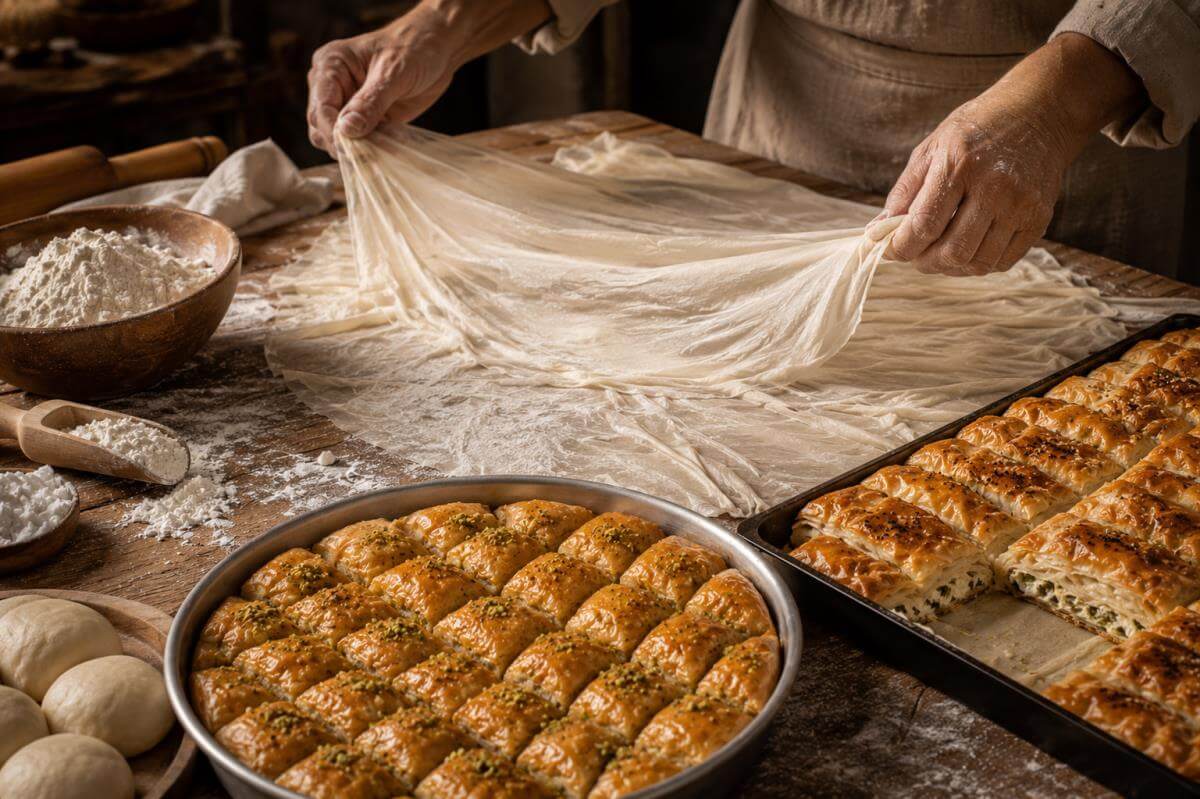
Elasticity is the tendency to return to the original shape. Extensibility is the ability to stretch. Bread needs enough elasticity to hold shape, but pizza and baklava also need extensibility. Dough that is extremely elastic but not extensible becomes difficult to open.
Gas Retention and Volume
Yeast produces carbon dioxide during fermentation. Gluten traps that gas, allowing dough to expand. Weak flour may permit bubbles to escape or coalesce, creating a flat or uneven loaf.
High-protein flour is often useful for long fermentation because the structure must remain stable for many hours. However, fermentation that continues too long can weaken even strong dough.
Water Absorption
Higher-protein flour often absorbs more water, although bran, starch damage, and milling also affect absorption. More water can create a moist crumb and improve yield, but only when the flour can hold it without becoming unstable.
Add liquid according to dough behavior. A recipe written for one flour may need adjustment with another.
Chew and Tenderness
Strong gluten creates chew, which is desirable in bread and bagels. In cake or cookies, too much gluten makes the product hard or rubbery. Lower-protein flour and minimal mixing help produce tenderness.
|
Protein Profile |
Typical Product Need |
Expected Texture |
|
Higher protein |
Bread, bagel, long-fermented pizza |
Strong, elastic, chewy, volume-supporting |
|
Medium protein |
Poğaça, börek, pide, multipurpose baking |
Balanced strength and tenderness |
|
Lower protein |
Cake, cookie, tart, tender pastry |
Soft, short, delicate, limited chew |
Protein Requirements by Product
Bread
Bread generally benefits from stronger flour because the dough must hold gas and maintain structure through fermentation and oven spring. Rustic high-hydration bread and long-fermented loaves often need more tolerance than quick sandwich bread.
The target is not maximum strength. A loaf also needs extensibility so that it can expand. Excessively tight dough may form a dense crumb despite high protein.
Pizza
Pizza flour must balance extensibility, elasticity, and fermentation tolerance. Short-fermented thin pizza may work with moderate strength. A 24- to 72-hour dough generally needs a flour that can withstand time and hydration.
Protein works together with the W value, where available, which is a professional measure of flour strength. Yet the final test is how the dough opens, holds gas, bakes, and tastes.
Poğaça and Açma
These enriched pastries contain fat, eggs, milk, or yogurt. They need enough structure to rise, but the crumb should remain soft. Very strong flour can create excessive chew, while weak flour may spread or collapse.
A balanced medium-protein flour often works well.
Börek and Baklava
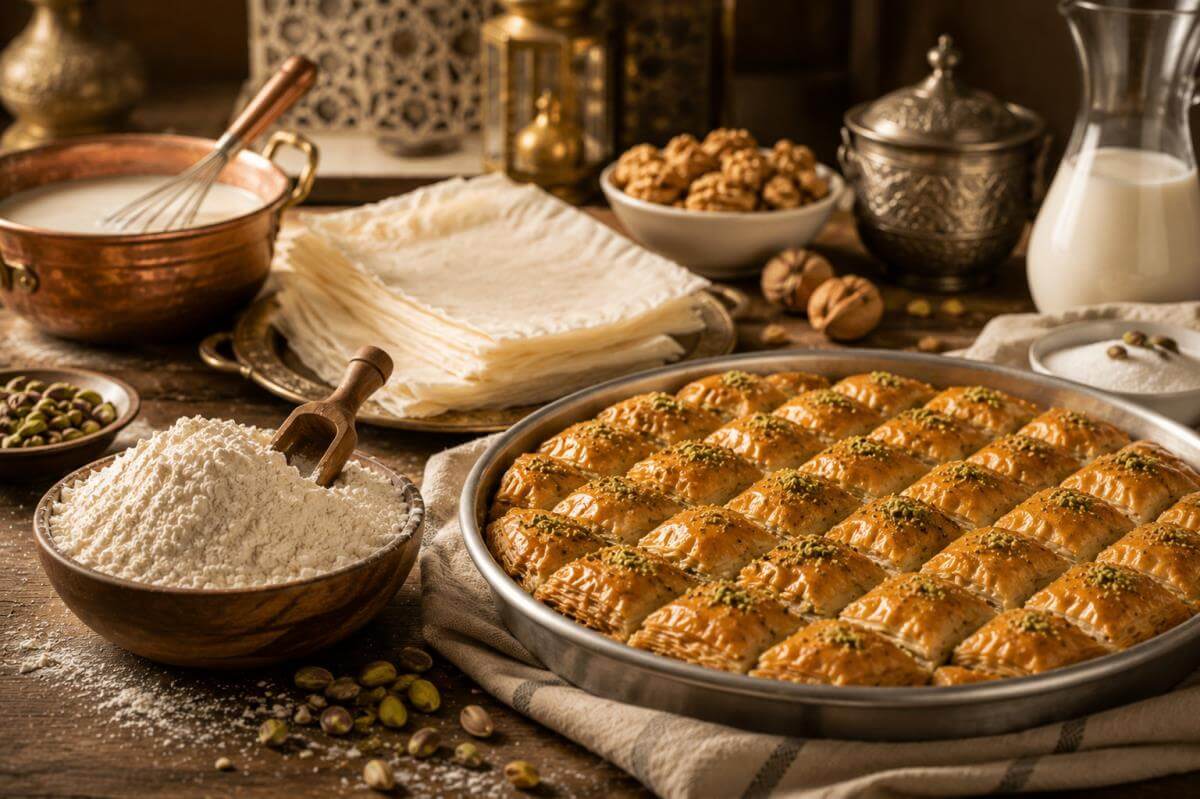
Börek dough needs controlled elasticity and resistance during rolling and filling. Baklava requires extreme extensibility and a clean, fine structure. Protein percentage alone cannot define suitability; protein quality and milling are critical.
Cake
Cake needs a tender crumb and fine gas cells. Lower-protein flour limits gluten formation. Mixing should stop as soon as the batter is homogeneous after flour is added.
Cookies and Tarts
Cookies and tart dough benefit from controlled gluten. Fat coats flour particles, reducing water contact and creating a short texture. Overmixing or using very strong flour can make the product tough and cause tart shells to shrink.
How Mixing Changes Protein Performance
Flour only develops gluten when it meets water and receives mechanical action. This means the same flour can create different textures depending on method.
Bread is kneaded to build structure. Cake batter is mixed minimally. Cookie dough is often creamed or rubbed with fat before liquid is introduced. Each technique controls how much gluten forms.
Salt strengthens gluten and regulates fermentation. Sugar and fat compete for water and can slow gluten development. Eggs add protein and structure. Recipe ingredients therefore change the way flour protein behaves.
Why Dough Springs Back
Dough that shrinks during rolling may have strong elasticity, insufficient resting, low extensibility, or a combination of these.
Resting allows the gluten network to relax. Cover the dough and wait before rolling again. If the problem remains consistent across batches, evaluate flour choice and mixing intensity.
In pizza, repeated forceful stretching can tighten the dough further. Gentle opening and sufficient fermentation make the process easier.
Why Dough Tears
Tearing may indicate weak gluten, insufficient kneading, overfermentation, dry dough, or poor resting. It can also occur when bran particles cut the network in whole-grain flour.
Use the correct flour, hydrate properly, and build strength gradually. For whole-grain bread, an autolyse or soaker can soften bran.
Protein and Whole-Grain Flour
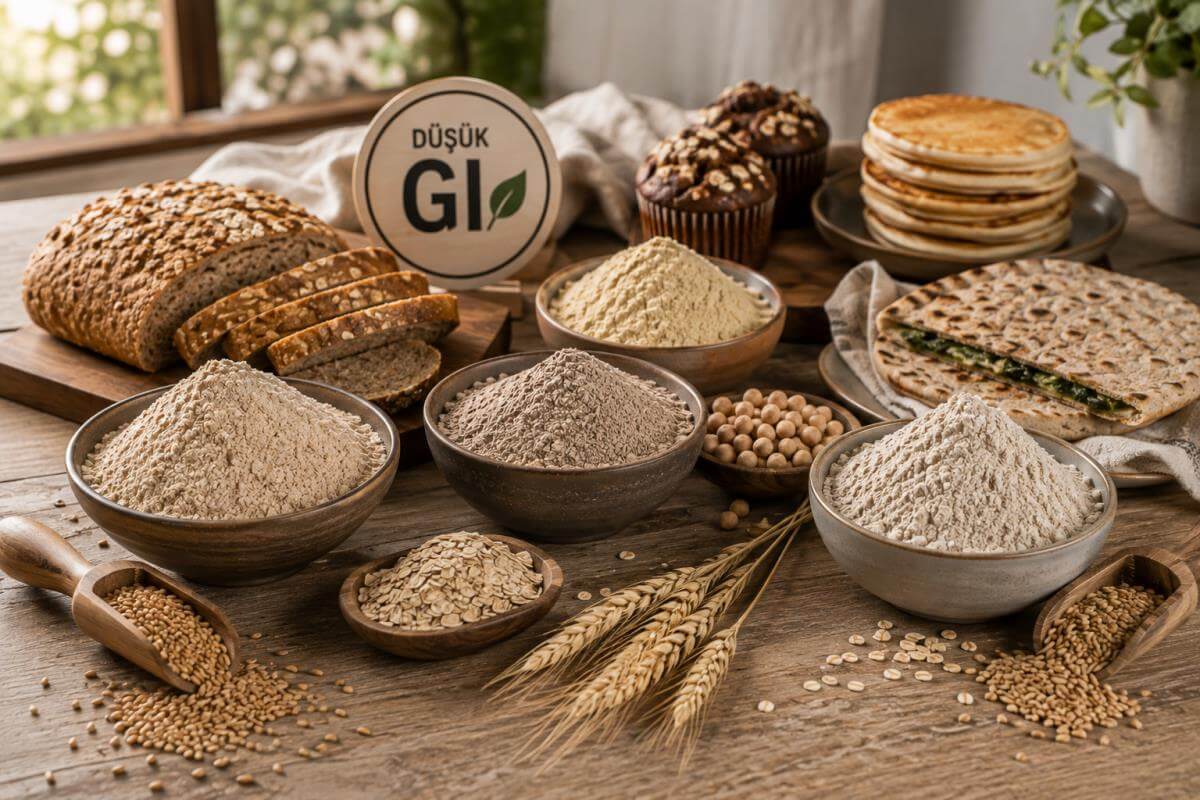
Whole wheat flour may have a respectable protein percentage, yet it can produce less volume than refined bread flour. Bran interrupts gluten and absorbs water. This illustrates why protein number cannot be interpreted alone.
To create lighter whole-grain bread, increase hydration, allow resting, and blend with bread flour. Use gentle folds and avoid overfermentation.
Reading the Label and Specification
Retail packages may list protein in the nutrition table. Professional specifications may include protein, wet gluten, sedimentation, ash, moisture, absorption, and dough stability.
When comparing retail flour, remember that nutrition labels can involve rounding. Use the product’s stated application as an additional guide.
For professional purchasing, request current data and conduct production trials. The best flour is the one that reaches the target consistently on your line.
Practical Tests at Home
Observe Water Absorption
Use a familiar recipe and add liquid gradually. Record the amount needed for the desired dough.
Perform a Windowpane Test
For bread dough, stretch a small piece gently. If it forms a thin membrane before tearing, gluten has developed. This test is less useful for doughs intentionally designed to remain tender.
Compare Resting Behavior
Roll a piece, let it rest, and roll again. If it becomes easier, gluten relaxation was important.
Evaluate the Cooled Product
Texture changes after cooling. Bread crumb sets, cookies become crisp, and cake firmness becomes clearer. Do not judge only while the product is hot.
Common Misunderstandings
“Higher Protein Means Higher Quality”
Incorrect. Higher protein means greater structural potential, which may be useful or harmful depending on the product.
“All Bread Flour Is the Same”
Incorrect. Protein quality, absorption, strength, color, and fermentation tolerance differ.
“Sticky Dough Needs More Flour”
Not always. It may need resting, folding, or better handling. Extra flour can destroy hydration.
“Protein Percentage Predicts Every Result”
It does not. Milling, starch, enzymes, bran, recipe, and process all contribute.
Choosing Flour with an Application-Focused Approach
Özmen Un offers flour products developed for different uses, including bread, high-protein applications, pastry, and multipurpose baking. Selecting by application helps the baker avoid relying on a single number.
Ask what the product needs: volume, chew, tenderness, fine rolling, or long fermentation. Then choose flour whose protein behavior supports that need.
Better Texture Begins with Understanding Flour
Protein content is one of the most useful keys to dough behavior. It explains why a loaf needs strength, why a cake needs restraint, and why pizza needs balance.
Once bakers connect protein with hydration, mixing, resting, fermentation, and heat, recipes become easier to diagnose. The result is not only better baking, but a more deliberate and repeatable process.
|
Explore Özmen Un flour varieties developed for different protein and application needs. |
Frequently Asked Questions About Flour Protein
Is high-protein flour suitable for every dough?
No. It is valuable for bread, bagels, and long-fermented pizza, but it can make cakes, cookies, and delicate pastry tough.
What protein level is best for pizza?
It depends on style and fermentation. Moderate protein may suit short fermentation, while long-fermented or high-hydration pizza generally needs stronger flour. Protein quality and flour strength also matter.
Why does bread made with whole wheat flour rise less?
Bran absorbs water and interrupts the gluten network. Increase hydration, allow resting, and blend with bread flour if greater volume is desired.
Does more kneading always improve dough?
No. Bread needs gluten development, but excessive kneading can overheat or damage dough. Cakes, cookies, and tarts should be mixed minimally to preserve tenderness.