Flour Storage and Preservation Techniques
Flour may look like a quiet, stable ingredient while it sits in a warehouse, but poor storage can disrupt an entire production process. A bakery may notice that dough suddenly needs less water. A pastry shop may find clumps or an unusual odor. An industrial line may experience inconsistent flow, mixing, or product color. These problems are sometimes blamed on the recipe or equipment even though the change began in storage.
Correct flour preservation protects dough consistency, fermentation, baking performance, shelf management, and food safety. Whether the user is a bakery, patisserie, hotel, restaurant, industrial manufacturer, or home baker, storage is the second half of flour quality. The first half is choosing the right product; the second is protecting it until use.
What Are the Ideal Flour Storage Conditions?
Quick Checklist
Keep the storage area cool, dry, clean, and free from strong odors.
Avoid sudden temperature changes and condensation.
Maintain suitable ventilation without exposing flour to outdoor humidity.
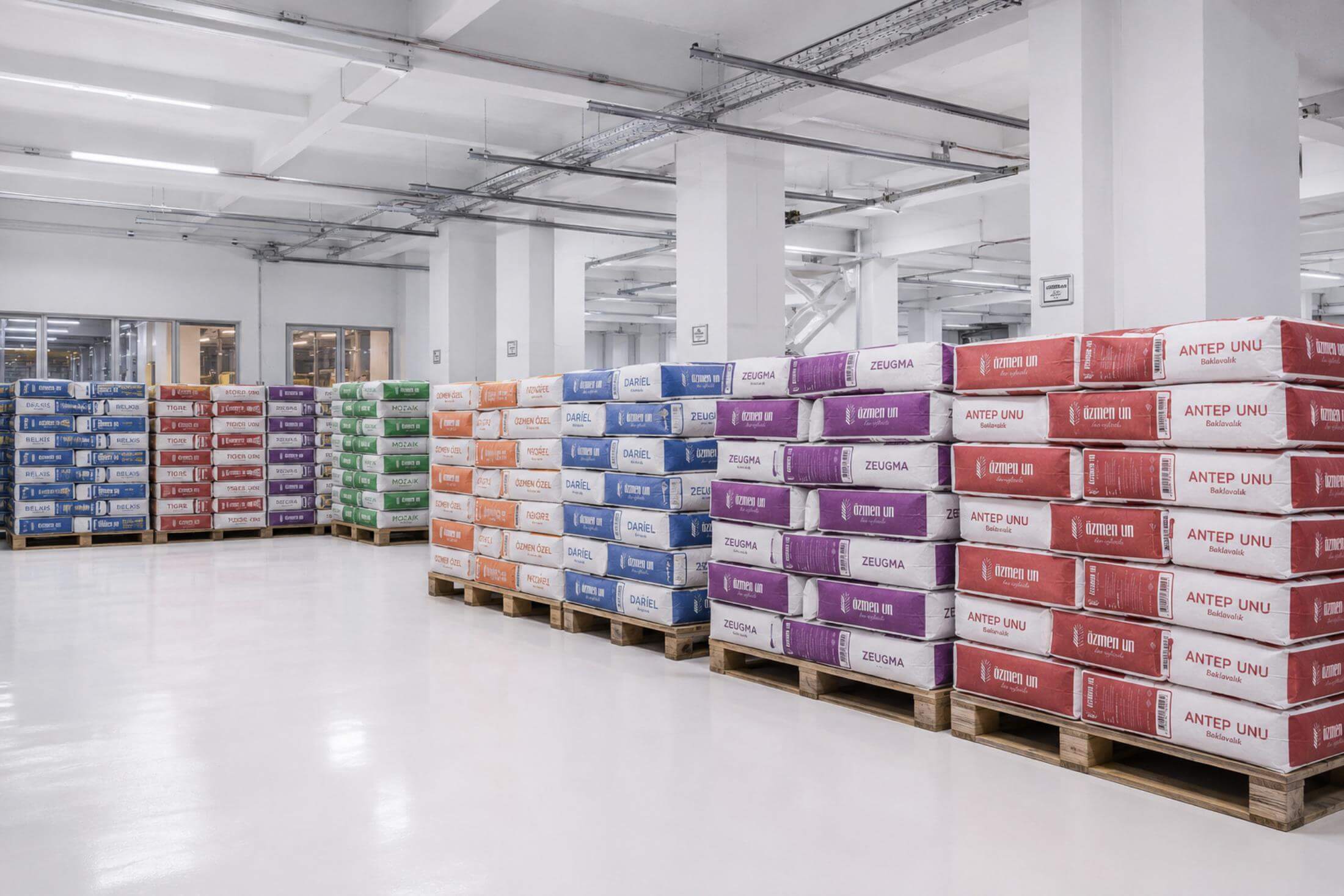
Store bags on clean pallets, not directly on the floor or against walls.
Inspect packaging at receipt and throughout storage.
Apply FIFO or FEFO and maintain batch traceability.
Monitor pests systematically rather than waiting for visible infestation.
Flour absorbs moisture and odors. It can also be affected by heat, damaged packaging, dust, insects, rodents, and cross-contamination. An ideal storage program therefore combines environmental control, hygiene, layout, stock management, and documentation.
Why Storage Affects Production Quality
Flour is selected for specific functional properties such as protein behavior, absorption, elasticity, color, and particle size. These characteristics must remain stable from the mill to the mixer.
When flour is exposed to humidity, its moisture content and flow may change. It can form lumps and behave differently during dosing. When stored in excessive heat, especially whole-grain flour, natural oils can oxidize and create rancid flavors. Strong odors from chemicals, spices, onions, animal feed, or cleaning materials can migrate into the product.
Incorrect storage may lead to:
Clumping and poor flow.
Variation in dough hydration.
Changes in aroma or color.
Lower fermentation or processing consistency.
Insect activity and contamination.
Shorter usable life.
Increased waste and production adjustments.
The effect may be subtle at first. This is why routine inspection and measurement are more reliable than waiting for a serious complaint.
Temperature Management
There is no single ideal temperature for every climate and facility, but stability is essential. Flour should be stored in a cool environment away from ovens, boilers, heating pipes, direct sun, and hot roofs. Sudden changes between cold and warm conditions can create condensation on packaging or inside containers.
Warehouses should monitor temperature at several points, not only near the door. Upper racks, exterior walls, and areas beneath roofs may be warmer. Data loggers can reveal daily and seasonal patterns.
Whole-grain, einkorn, and other high-extraction flours contain more germ and bran, including natural oils. They are generally more sensitive to heat and oxidation than refined white flour and may require shorter rotation periods.
Humidity and Moisture Control
Humidity is one of the most important storage risks. Flour is hygroscopic, meaning it can absorb moisture from the air. High humidity encourages clumping, affects flow, and increases vulnerability to spoilage and pests.
Prevent leaks, condensation, and contact with damp floors or walls. Repair roof and plumbing problems immediately. Do not place flour near washing areas, dishwashers, or steam-producing equipment.
Use pallets to create distance from the floor and maintain air circulation. Leave inspection space between stacks and walls. This also makes pest monitoring and cleaning easier.
In small kitchens, opened flour should be kept in airtight food-safe containers. In professional warehouses, the original bags may remain appropriate when intact and stored under controlled conditions, but damaged bags should be isolated and assessed.
|
Risk |
Possible Sign |
Preventive Measure |
|
High humidity |
Clumps, reduced flow, musty odor |
Dry storage, ventilation, sealed containers, leak control |
|
Heat |
Faster aging or rancid notes |
Stable cool temperature and distance from heat sources |
|
Damaged packaging |
Flour leakage or contamination |
Inspect on receipt and isolate damaged units |
|
Strong odors |
Off-flavor in baked products |
Separate flour from chemicals, spices, and odorous goods |
|
Pests |
Insects, larvae, webbing, droppings |
Sanitation, monitoring traps, stock rotation, professional control |
|
Poor rotation |
Expired or aged stock |
FIFO/FEFO, clear labels, inventory review |
Storage Layout and Pallet Rules
A clean layout reduces risk and makes inspection possible. Store flour on sound, dry pallets made from suitable materials. Bags should not extend beyond the pallet edges, where they can tear during handling.
Do not stack higher than the packaging and pallet can safely support. Excessive pressure can damage lower bags and compact flour. Follow workplace safety rules and supplier guidance.
Maintain clear aisles. Separate returned, damaged, quarantined, and approved stock. Products with different allergen or food-safety status should be managed according to the facility’s system.
Avoid direct wall contact. A small inspection gap helps identify condensation, pests, and packaging damage. It also allows cleaning teams to reach the area.
Receiving Inspection
Good storage begins at the loading dock. Check the vehicle for cleanliness, dryness, unusual odor, and evidence of pests. Inspect seals where applicable and confirm that the delivery matches the order.
For packaged flour, examine bags for tears, wet spots, stains, open seams, or insect damage. Verify product name, batch, quantity, dates, and labeling. For bulk deliveries, confirm silo identity, connection cleanliness, and transfer procedures before unloading.
Record nonconformities and photograph serious damage. Do not place questionable product directly into approved stock. A defined quarantine process protects the rest of the warehouse.
FIFO, FEFO, and Batch Traceability
FIFO means first in, first out. FEFO means first expired, first out. When shelf-life dates differ, FEFO may be the more appropriate system. Whichever method is selected, it must be visible in shelf arrangement and inventory records.
Each batch should remain identifiable. Do not mix bags from different batches without a reason and a documented system. If a production problem occurs, traceability makes it possible to connect flour usage with finished-product records.
Review stock regularly. Slow-moving specialty flour can remain forgotten behind fast-moving products. Monthly or weekly inventory checks should include dates, physical condition, quantity, and warehouse cleanliness.
Pest Prevention
Flour and grain products can attract stored-product insects. Prevention depends on sanitation, stock rotation, building integrity, monitoring, and professional pest management.
Clean spilled flour immediately. Even small accumulations under pallets or equipment provide food for pests. Seal cracks and openings, maintain door controls, and inspect incoming goods.
Use monitoring traps according to a documented plan and review trends. The presence of one insect can signal a broader problem. Do not apply chemicals casually in food storage areas; pest control must follow legal, food-safety, and professional requirements.
If infestation is found, isolate affected product, inspect adjacent stock, clean the area, and investigate the source. Do not simply remove visible insects and use the flour.
Opened Bags and Small-Quantity Use
In bakeries and restaurant kitchens, partially used bags are common. Fold and close them securely, or transfer flour to labeled food-safe bins with lids. Never leave open bags beside mixers where water, oil, or cleaning splash can enter.
Bins should be emptied and cleaned before refilling. Do not continually top up old flour with new flour. Use dedicated scoops and keep them clean and dry.
Labels should identify product, batch, opening date, and shelf-life information. This is especially important when several flours look similar.
Silo Storage and Bulk Handling
Bulk flour requires a different level of control. Silos should be clearly identified, protected from moisture, and maintained according to the facility’s hygiene program. Delivery connections and transfer lines must prevent cross-connection and contamination.
Monitor inventory to avoid prolonged residence time. Emptying and cleaning schedules should be based on risk and system design. Filters, vents, and pressure systems require maintenance.
When changing products in a silo, evaluate whether residual flour can affect the next product. A high-protein bread flour, low-ash baklava flour, and whole-grain flour should not be switched without considering carryover.
How to Recognize Quality Loss
Use sight, smell, and handling as preliminary checks. Warning signs include:
Musty, sour, rancid, chemical, or otherwise unusual odor.
Hard damp clumps.
Insects, larvae, webbing, droppings, or damaged packaging.
Unexpected discoloration or foreign material.
Loss of normal flow.
Do not rely on tasting questionable flour. When the condition is unclear, place it on hold and consult quality personnel or the supplier.
Production performance can also signal a problem. If several batches of dough suddenly require different hydration, investigate storage records alongside flour batch data and process conditions.
Protecting Flour Performance in Production
Allow flour stored in cold conditions to adjust before use while the package remains closed. Opening a cold container in a warm, humid room can cause condensation.
Use calibrated dosing and weighing equipment. Keep flour bins and pneumatic systems clean. Monitor dough temperature, because warm flour can raise final dough temperature and accelerate fermentation.
When a new delivery begins, compare absorption and mixing behavior with the previous batch. Small, documented adjustments are safer than uncontrolled changes by individual operators.
Storage Is a Shared Quality Responsibility
Purchasing selects the product and supplier. Warehouse teams protect the product. Quality teams define controls and evaluate deviations. Production teams observe performance. Effective flour storage requires communication between all four.
Training should explain why rules exist. Employees are more likely to follow pallet gaps, labeling, and container-cleaning procedures when they understand how these affect dough and finished products.
Özmen Un provides flour for different applications, and each product reaches its intended potential only when storage conditions preserve its designed characteristics. Customers should follow label guidance, supplier recommendations, and their own food-safety system.
Good Storage Extends Value, Not Just Shelf Life
The goal of flour preservation is not simply to keep a package until its date. It is to retain the aroma, flow, absorption, and functional performance that the recipe expects.
A cool and dry environment, intact packaging, disciplined rotation, pest prevention, and traceability reduce risk and waste. These controls support more consistent dough, smoother production, and stronger confidence in the final product.
Frequently Asked Questions About Flour Storage
What are the best conditions for storing flour?
Store flour in a clean, cool, dry, odor-free area protected from direct sunlight, condensation, and pests. Keep bags on pallets and away from walls, and close opened packages securely.
Should flour be refrigerated?
Refined flour usually does not require refrigeration when stored correctly. Whole-grain and specialty flours may benefit from cold storage for longer periods, but they must be sealed and protected from condensation and odors.
What is the difference between FIFO and FEFO?
FIFO uses the oldest received stock first. FEFO uses the product with the earliest expiry or best-before date first. FEFO is useful when deliveries have different shelf-life dates.
Can clumped flour still be used?
Soft clumps caused by compression may break apart, but hard or damp clumps can indicate moisture exposure. Check odor, appearance, packaging, and storage history. When quality is uncertain, hold the product for evaluation rather than using it.