Healthy Flour Choices: Whole Wheat, Buckwheat, Einkorn
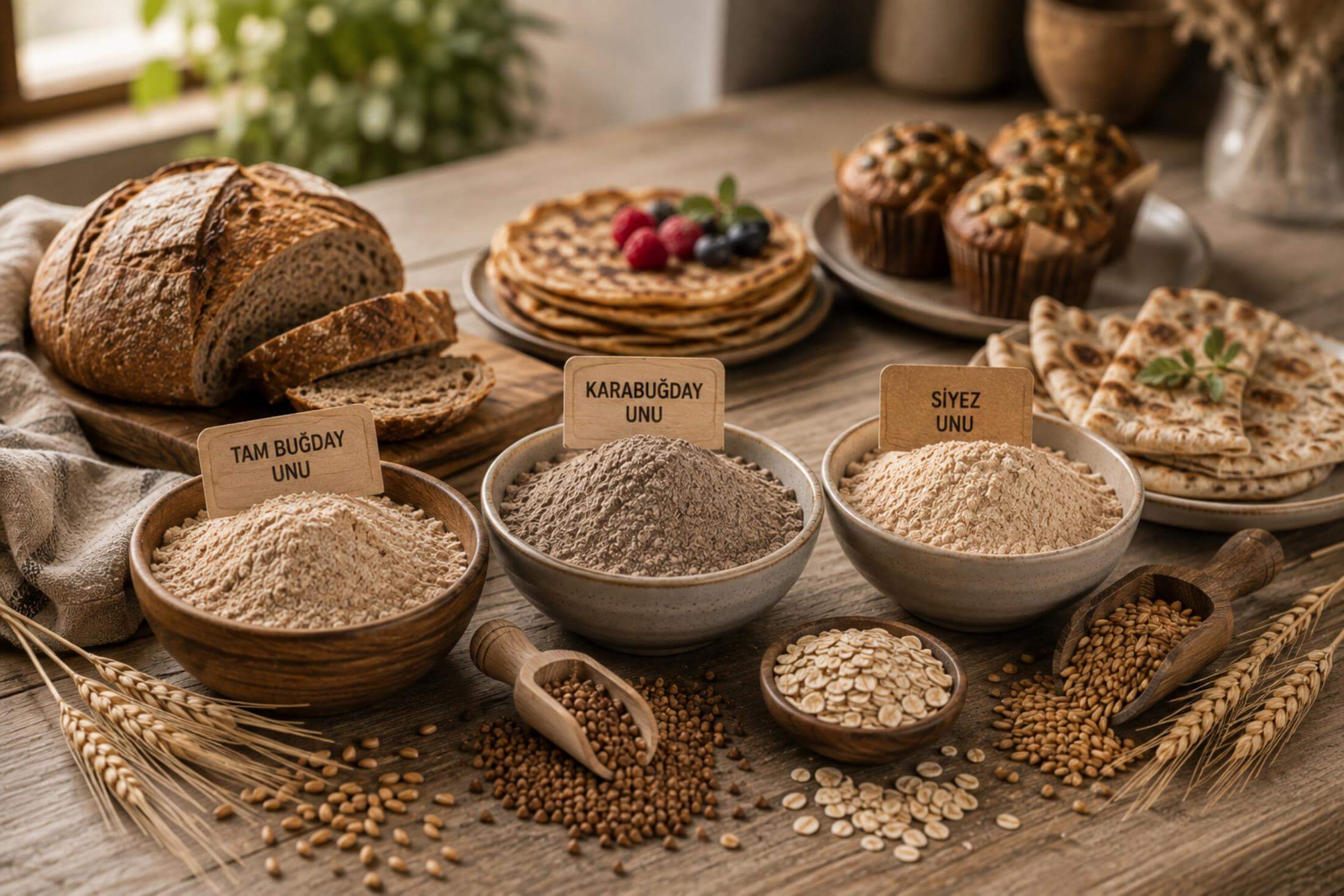
The flour used in a kitchen influences more than consistency. It shapes flavor, color, texture, water absorption, and the role a recipe plays in an eating routine. Whole wheat flour, buckwheat flour, and einkorn flour are increasingly popular among people who want more grain character and greater variety than refined white flour provides.
Each tells a different story. Whole wheat keeps the components of the wheat kernel together. Buckwheat is not wheat at all and offers an earthy, naturally gluten-free alternative. Einkorn, known as siyez in Türkiye, carries the flavor and heritage of an ancient wheat. The useful question is not “Which one is healthiest?” but “Which one fits this recipe, this dietary need, and this desired texture?”
Flour Types and Their Potential Benefits
Quick Checklist
Whole wheat flour: bread, crepes, poğaça, and muffins.
Buckwheat flour: galettes, pancakes, and savory crepes.
Einkorn flour: gözleme, bazlama, erişte, and rustic bread.
Begin by replacing part of white flour rather than all of it.
Adjust liquid and resting time according to the flour.
No flour is a complete diet. Benefits depend on portion, recipe, processing, and the rest of the meal. Whole-grain and alternative flours can support variety, but they should be discussed without miracle claims.
Why Alternative and Whole-Grain Flours Are Popular
Many consumers now look beyond calories and ask how ingredients are produced, how much of the grain is retained, and how the product behaves in the body and kitchen.
Refined white flour is valued for a neutral flavor, fine texture, and predictable gluten performance. Whole and alternative flours bring more pronounced flavor and often more fiber or micronutrients, but they may require recipe adjustments.
Interest also comes from culinary curiosity. A buckwheat galette tastes fundamentally different from a white-flour crepe. Einkorn gives bazlama a deeper aroma. Whole wheat makes bread more robust and satisfying.
Whole Wheat Flour
Whole wheat flour contains the bran, germ, and endosperm of wheat. It generally provides more fiber and a fuller grain flavor than refined white flour.
Culinary Characteristics
Bran absorbs water and can interfere with gluten development. As a result, 100 percent whole wheat bread may be denser and require more hydration. Resting the dough allows bran to soften and improves handling.
Whole wheat works well in:
Sandwich and country bread.
Pancakes and crepes.
Savory muffins and poğaça.
Cookies and cakes with nuts, fruit, or spices.
Pizza or flatbread blends.
Practical Use
Begin with a 30 to 50 percent substitution in a familiar recipe. Increase liquid gradually and avoid adding excess flour during kneading. Whole wheat dough often feels stickier before it has fully hydrated.
Its flavor pairs well with honey, molasses, olive oil, yogurt, walnuts, seeds, cinnamon, and dried fruit.
Buckwheat Flour
Buckwheat is a pseudocereal, not a wheat species. It is naturally gluten-free and has a dark, earthy, nutty flavor.
Culinary Characteristics
Because it does not form wheat gluten, buckwheat batter is excellent for crepes and galettes, but bread requires a blend or additional structure. Its color creates a rustic appearance and its flavor can be dominant in delicate cakes.
Buckwheat works well in:
French-style galettes.
Pancakes and waffles.
Savory crepes.
Cookies with cocoa or nuts.
Gluten-free bread blends.
Noodles in certain culinary traditions.
Gluten-Free Safety
Naturally gluten-free does not automatically mean safe for celiac disease. Buckwheat can be exposed to wheat during processing. Choose appropriately labeled products when strict avoidance is required.
Practical Use
Use 20 to 40 percent buckwheat flour in a blend when you want flavor without excessive density. For galettes, a higher proportion or 100 percent buckwheat can work with a tested recipe.
Einkorn Flour
Einkorn is an ancient wheat species known as siyez in Türkiye. It has a natural golden tone and a nutty, lightly sweet aroma.
Culinary Characteristics
Einkorn contains gluten but its dough behavior differs from modern high-protein bread wheat. It may feel soft, sticky, or fragile. Overmixing can weaken the dough, and one-to-one substitution may change hydration.
Einkorn works well in:
Gözleme and bazlama.
Erişte noodles.
Pancakes and crepes.
Cookies and crackers.
Bread and sourdough blends.
Rustic pizza bases.
Important Dietary Note
Einkorn is not gluten-free and is not suitable for celiac disease. Claims that ancient wheat is safe for every person with gluten-related conditions are inaccurate.
Practical Use
Begin with partial substitution and use gentle mixing. In bread, blend einkorn with stronger flour if a lighter, taller loaf is desired. Allow the dough to rest before making final hydration decisions.
|
Flour |
Main Character |
Gluten Status |
Good Uses |
|
Whole wheat |
Full wheat flavor, higher fiber, denser structure |
Contains gluten |
Bread, crepes, muffins, savory pastry |
|
Buckwheat |
Earthy, nutty, dark |
Naturally gluten-free; verify cross-contact |
Galettes, pancakes, gluten-free blends |
|
Einkorn |
Golden, nutty, traditional |
Contains gluten |
Gözleme, bazlama, noodles, bread blends |
Comparing Texture and Water Absorption
Whole wheat usually needs more water because bran absorbs moisture. Buckwheat batter may thicken but lacks elastic gluten. Einkorn can feel soft and sticky despite not requiring the same handling as high-protein bread flour.
For all three, add liquid gradually and allow a short rest. The correct consistency depends on the recipe:
Bread dough should be soft enough to expand but strong enough to hold shape.
Crepe batter should flow smoothly and rest before cooking.
Cookie dough should be shapeable without excessive flour.
Flatbread dough should roll without cracking.
Avoid forcing alternative flour into the exact texture of white flour. Some difference is desirable and reflects the ingredient.
Flavor Pairing Guide
Whole Wheat
Pairs well with walnuts, sesame, sunflower seeds, honey, yogurt, olive oil, cheese, and herbs.
Buckwheat
Pairs well with mushrooms, spinach, eggs, aged cheese, cocoa, banana, hazelnuts, and berries.
Einkorn
Pairs well with butter, olive oil, mild cheese, yogurt, thyme, nigella seeds, honey, dried fruit, and roasted vegetables.
Simple recipes allow grain flavor to remain visible. Excess sugar or heavy seasoning can cover the qualities that made the flour attractive in the first place.
Practical Recipe Ideas
Mixed Whole Wheat Bread
Use equal parts bread flour and whole wheat flour. Increase water slightly, rest after mixing, and use folds during fermentation. This produces more flavor while maintaining a lighter structure.
Buckwheat Galette
Mix buckwheat flour, water, salt, and an optional egg. Rest the batter and cook thinly. Fill with vegetables, cheese, or egg.
Einkorn Gözleme
Blend einkorn with a stronger wheat flour for easier rolling. Rest the dough, roll thinly, add a dry filling, and cook on a hot griddle.
Whole Wheat and Oat Muffins
Combine whole wheat flour with oat flour, yogurt, eggs, fruit, and moderate sweetness. Do not overmix.
Buckwheat Cocoa Cookies
Use buckwheat in a blend with rice or wheat flour depending on dietary needs. Cocoa and hazelnut balance its earthy flavor.
Storage and Freshness
Whole wheat and einkorn flours may contain more natural oils from the germ and can lose freshness more quickly than refined flour. Buckwheat also has a distinctive oil and flavor profile that should be protected.
Store all flour in a cool, dry, dark place. After opening, use airtight containers. For longer periods, refrigeration or freezing can help, especially in warm climates. Keep containers sealed while returning to room temperature to avoid condensation.
Discard flour with rancid, musty, or unusual odor, insect activity, or moisture damage.
Choosing According to Dietary Need
A person seeking more fiber may prefer whole wheat. Someone following a strict gluten-free diet may consider properly labeled buckwheat, while avoiding whole wheat and einkorn. A baker interested in Anatolian flavor may choose einkorn.
Medical needs should guide safety decisions. Celiac disease, wheat allergy, diabetes, digestive conditions, and individual tolerance require personalized advice. Marketing terms such as “ancient,” “natural,” or “healthy” do not replace medical suitability.
A Balanced Flour Pantry
There is no need to select only one flour. A practical pantry may include:
Bread or multipurpose flour for structure.
Whole wheat flour for everyday grain flavor.
Buckwheat for galettes and gluten-free recipes when appropriately labeled.
Einkorn for traditional and rustic products.
Using blends allows the cook to combine function and flavor. It also makes the transition to stronger whole-grain tastes easier for children or family members accustomed to white flour.
The Right Choice Is the One That Fits the Recipe
Whole wheat, buckwheat, and einkorn each offer valuable culinary possibilities. Their differences are strengths, not problems, when the recipe is designed accordingly.
Özmen Un offers products for different baking applications, including whole wheat options. Understanding intended use helps home cooks protect both texture and flavor while building a more varied routine.
Healthy eating is not created by a single ingredient. It is supported by repeated choices, suitable portions, varied foods, and recipes that remain enjoyable enough to become habits.
Frequently Asked Questions About Whole Wheat, Buckwheat, and Einkorn
Which of these flours is gluten-free?
Buckwheat is naturally gluten-free, but the product must be checked for cross-contact. Whole wheat and einkorn both contain gluten.
Which flour is best for bread?
Whole wheat and einkorn can both be used in bread, often in blends with strong bread flour for better volume. Buckwheat requires a blend or binder because it does not form gluten.
Can these flours replace white flour completely?
They can in some recipes, but texture and hydration will change. Partial substitution is usually the easiest way to begin and produces a more familiar result.
Which flour has the strongest flavor?
Buckwheat usually has the most earthy and assertive flavor. Einkorn is nutty and golden, while whole wheat has a familiar, fuller wheat tas