Winter Flour Storage: A Practical Home Guide
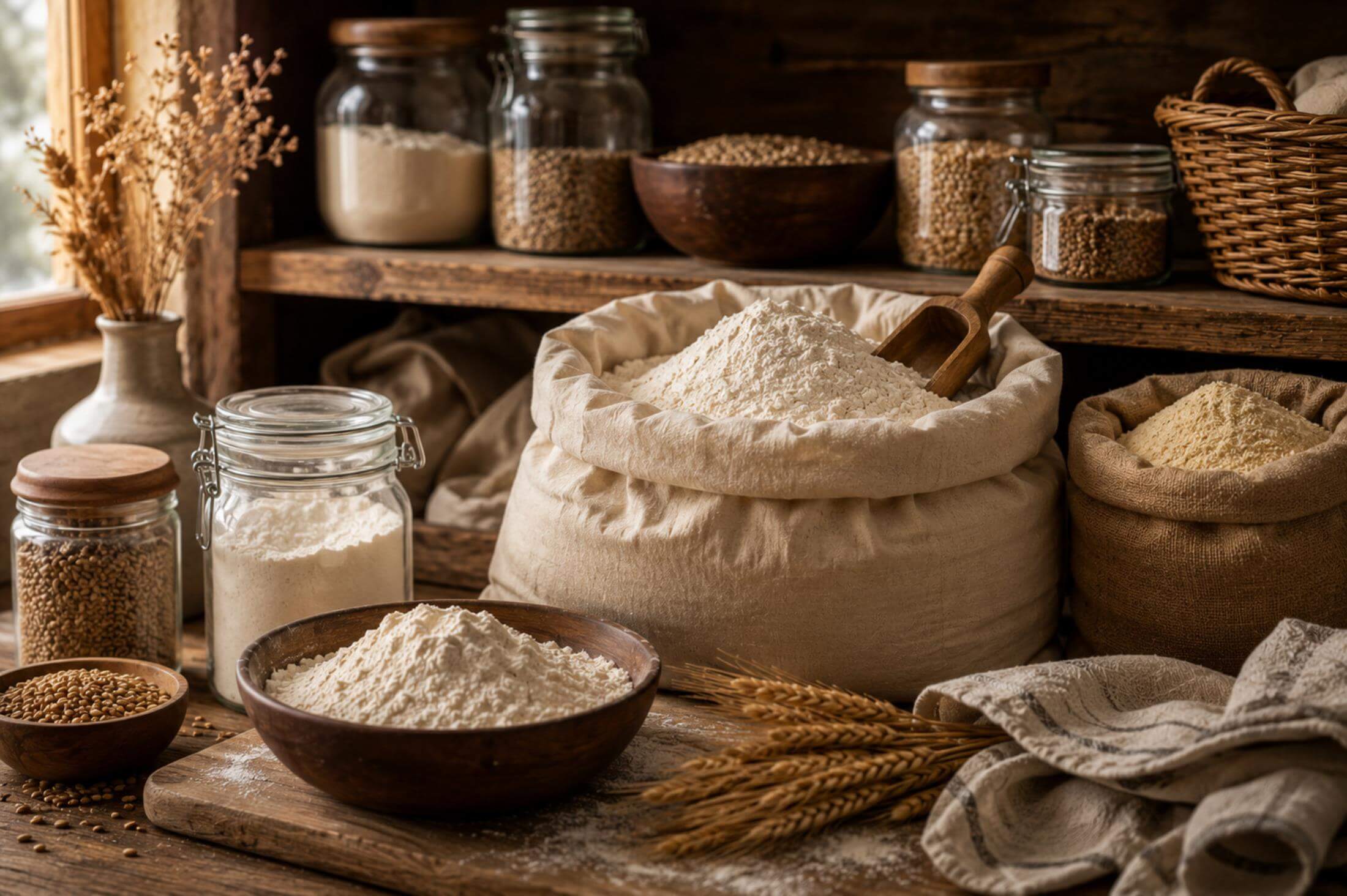
Winter preparation is not limited to jars of pickles, tomato sauce, or vegetables placed in the freezer. As the weather turns colder, many homes bake more bread, bazlama, pide, poğaça, börek, and pizza. Flour therefore becomes one of the most frequently used pantry staples, and keeping an appropriate supply can make everyday cooking easier.
Buying several bags, however, is only the first step. Flour must be protected from humidity, heat, strong odors, insects, and careless stock rotation. Poor storage may cause clumping, stale aromas, infestation, or inconsistent dough performance. The aim is not to fill every shelf, but to keep the right amount of flour in conditions that preserve its quality until it is used.
How Should Flour Be Stored?
Quick Checklist
Keep flour in a cool cupboard away from direct sunlight.
Avoid damp, steamy areas and places with frequent temperature changes.
Transfer opened flour to a clean, food-safe, airtight container.
Do not place bags directly on the floor or against a wall.
Follow the FIFO principle: use the oldest package first.
Do not use flour that has an unusual smell, visible insects, webbing, or suspicious clumps.
Flour is a dry food, but it is not unaffected by its surroundings. It can absorb moisture from the air and odors from nearby products. A cupboard next to the oven, dishwasher, kettle, or heating system may appear convenient, yet repeated heat and steam can shorten storage life.
The best environment is dry, clean, relatively cool, well ventilated, and free from strong smells. Spices, detergents, onions, chemicals, and animal food should not be stored immediately beside flour. Even when no visible problem appears, odor transfer can affect simple products such as bread, where the flavor of the grain is easy to notice.
How Much Flour Should You Buy for Winter?
One of the most common mistakes in home food storage is buying more than the household can realistically use. A large package may look economical, but it becomes wasteful if it remains open for months or if the storage space is unsuitable.
Begin by reviewing your normal consumption:
How many times a week do you bake bread?
How often do you make poğaça, börek, pide, pizza, or bazlama?
How much flour does each recipe use?
Do you prefer small packages, or can you protect a large bag properly?
Is your pantry cool and dry throughout the winter?
A family that bakes one loaf per week has a very different requirement from a household that prepares bread and pastries every day. Calculate an approximate monthly amount and purchase enough for a manageable period rather than the entire season. Leaving a small safety margin is sensible; buying several times the realistic need is not.
Smaller packages can be easier to manage because most of the flour remains sealed until needed. Larger packages may be practical for frequent bakers, provided the flour can be divided into airtight containers immediately after opening.
Should You Store the Same Flour for Every Recipe?
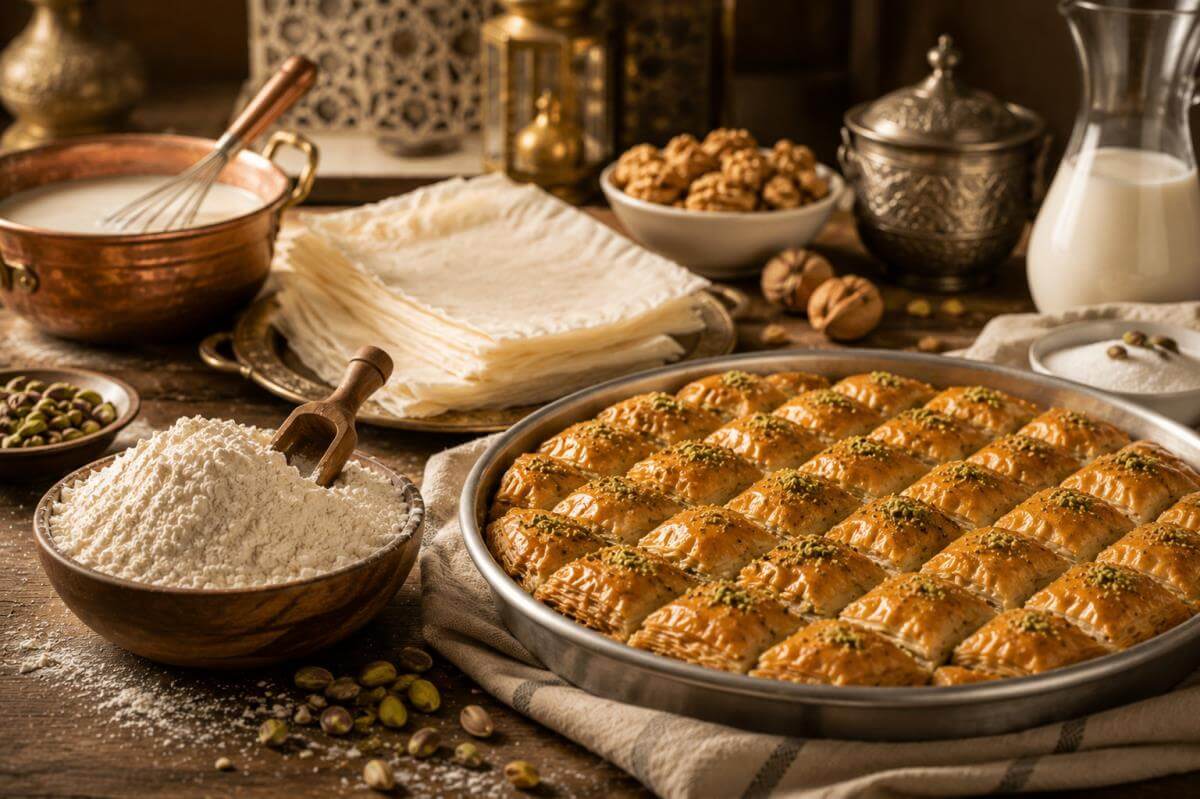
Using one flour for every product seems simple, but it may limit the quality of your results. Bread, cake, baklava, börek, pizza, and cookies expect different behavior from flour.
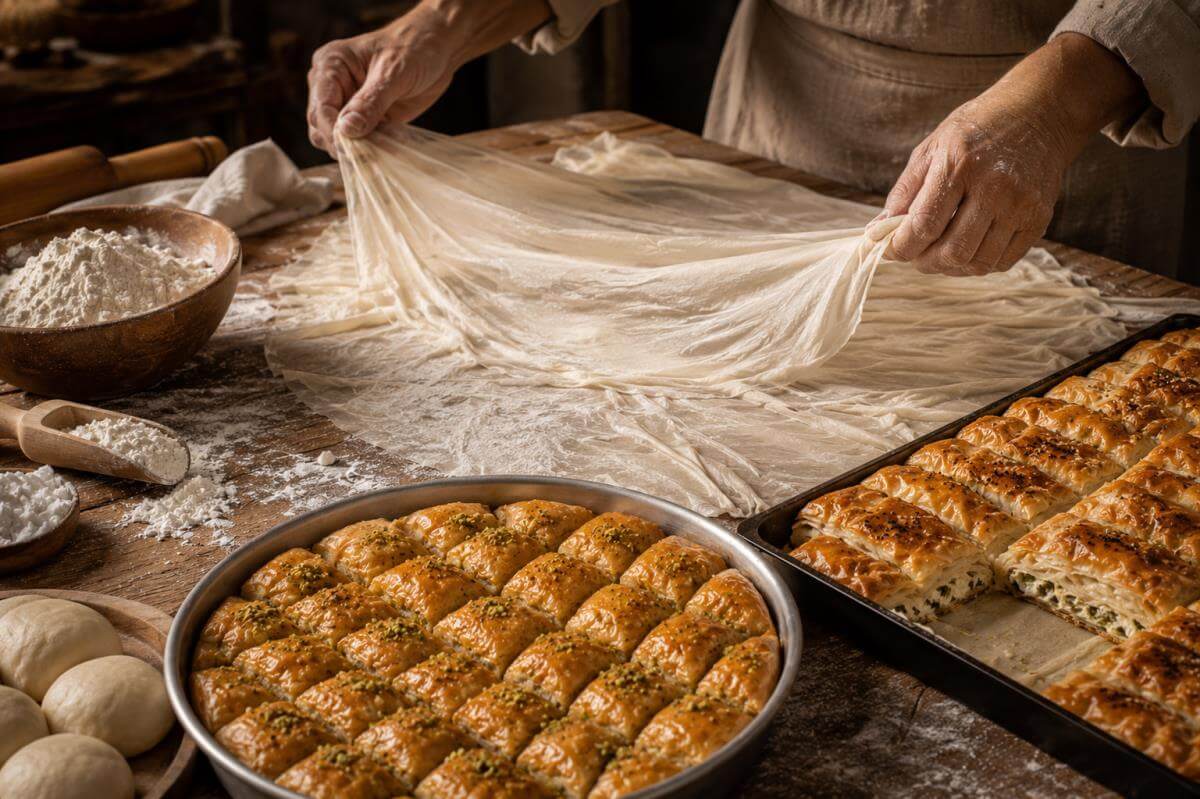
Bread flour needs enough strength to support fermentation and volume. Pastry flour should produce a more tender structure. Baklava and börek require controlled elasticity and good opening performance. Pizza flour may need to tolerate longer fermentation and stretching.
For a practical winter pantry, choose a main flour for your most frequent recipes and keep smaller amounts of special-purpose flour for occasional products. For example, a household that bakes bread regularly may store bread flour as the primary item, plus a multipurpose pastry flour for poğaça and börek.
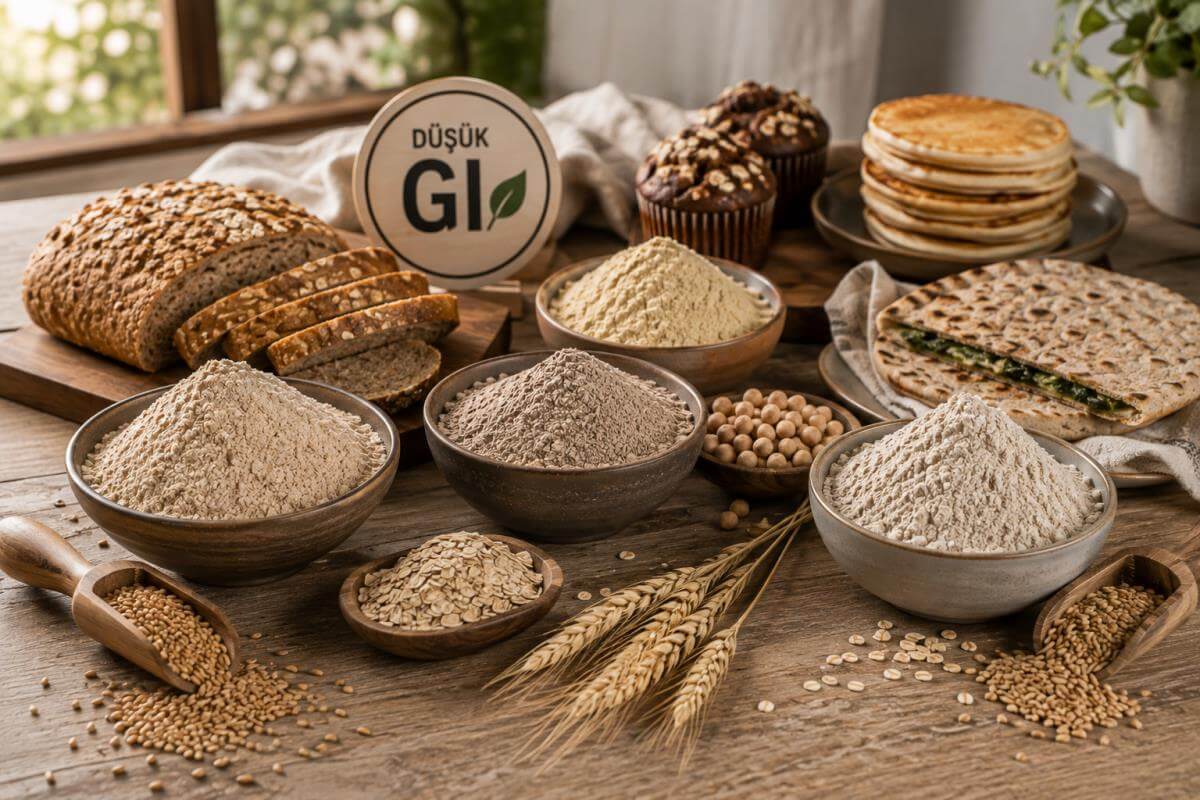
Özmen Un’s product groups are organized according to different uses. This helps home bakers avoid choosing randomly and instead match flour to the dough structure a recipe requires.
Check Packaging Before Long-Term Storage
Before buying, inspect the package carefully. It should be dry, clean, properly sealed, and free from punctures. Flour dust around the seams may indicate damage. Read the production and best-before information and avoid packages that have been stored in visibly damp conditions.
At home, do not assume that the original paper bag provides complete protection once opened. Paper allows the flour to breathe but offers limited resistance to humidity, insects, and odors. Place the opened bag inside a sealed container or transfer the flour into one.
If you divide a large bag, label each container with the product name, opening date, and best-before date. This prevents confusion when different flours look similar. It also helps you use older stock first.
Managing Humidity and Temperature
Humidity is the greatest enemy of flour storage. When flour absorbs moisture, it may clump, lose its free-flowing texture, and become more vulnerable to microbial or insect activity. Do not store flour beneath a sink, beside a leaking wall, or in a cupboard where steam regularly collects.
Temperature should remain as stable as possible. Repeated movement between cold and warm conditions can create condensation inside containers. A very hot pantry can accelerate quality loss, especially in whole-grain flours, which contain more natural oils.
Whole wheat, einkorn, and other less refined flours generally have a shorter storage life than refined white flour because the bran and germ contain oils that can become rancid. Buy them in quantities you can use more quickly. Refrigeration or freezing may be useful for extended storage, but the flour must be tightly sealed and allowed to return to room temperature before opening, so condensation does not form on the product.
How to Store Opened Flour
Choose a container that is food-safe, dry, odorless, and easy to clean. A tight-fitting lid protects the contents from moisture, insects, and pantry smells. Transparent containers make stock levels visible, but they should still be kept away from light.
Do not pour new flour on top of old flour without cleaning the container. Empty it, wash it if necessary, dry it completely, and then refill. Even a small amount of dampness can damage a new batch.
Use a clean, dry scoop dedicated to flour. Never return a scoop that has touched wet dough or liquid ingredients to the container. This simple habit greatly reduces contamination risk.
|
Storage Risk |
Possible Effect |
Preventive Action |
|
Humidity |
Clumping, odor change, shorter storage life |
Use airtight containers in a dry area |
|
Heat |
Faster quality loss and rancidity |
Keep flour away from ovens and heaters |
|
Strong odors |
Unwanted flavor in bread and pastry |
Store away from spices, detergents, and onions |
|
Damaged packaging |
Insect or physical contamination |
Inspect bags before purchase and transfer after opening |
|
Poor stock rotation |
Older flour remains unused |
Label packages and apply FIFO |
Use the FIFO Method
FIFO means “first in, first out.” The package purchased or opened first should be used first. Place older products at the front of the shelf and new ones behind them. This small arrangement prevents forgotten bags from remaining in the cupboard until they pass their best quality period.
Record dates when buying several packages. A simple label or marker is enough. Check stock before shopping so that you do not purchase products already available at home.
FIFO also applies to different containers. If one container is almost empty, finish it before opening another package. Combining old and new flour makes it difficult to identify the source if a quality problem appears.
How Can You Tell If Flour Has Deteriorated?
Good flour has a clean, mild grain aroma. A sour, musty, bitter, chemical, or rancid smell is a warning. Whole-grain flour with oxidized oils may smell like old nuts or crayons.
Inspect the texture. Small soft lumps caused by pressure can sometimes break apart easily, but hard damp clumps may indicate moisture. Look for insects, larvae, webbing, moving particles, or holes in the packaging. If any of these are present, discard the product and inspect the surrounding pantry.
Color changes should also be considered. Flour naturally varies by type, but unexplained dark spots, mold-like areas, or unusual discoloration are not normal. When in doubt, do not taste the flour to test it.
Protecting Bread Performance in Stored Flour
Storage affects more than food safety. Flour that has absorbed moisture may behave differently in a recipe. It can require less added water, form lumps, or create inconsistent dough. Flour exposed to strong odors may produce bread with an unpleasant aroma.
Before baking, bring cold-stored flour to room temperature while the container remains closed. Sift or whisk flour that has compacted, but do not assume sifting can make spoiled flour safe.
When opening a new batch, observe how it absorbs water. Add liquid gradually and compare the dough with your usual result. Keeping simple notes about flour, hydration, and fermentation can help identify whether a change comes from the product, the weather, or the recipe.
A Practical Winter Pantry Plan
A useful pantry is organized by frequency and purpose. Keep the flour you use most often in an accessible airtight container. Store unopened backup packages in a cooler, darker section. Separate specialty flours and label them clearly.
Review the pantry once a month. Wipe shelves, check for moisture, inspect packages, and move older stock forward. Do not wait until there is a visible insect problem; prevention is easier than cleaning an infestation.
In apartments where kitchen cupboards become warm, consider a different storage area such as a dry utility cupboard. The location should still be suitable for food and protected from chemicals, pets, and outdoor humidity.
Good Storage Preserves the Value of Good Flour
Choosing quality flour is only meaningful when that quality is protected at home. Proper storage preserves aroma, texture, flow, and recipe performance. It also reduces waste and makes winter baking more predictable.
Buy according to actual consumption, use the right flour for the right recipe, protect opened packages, and rotate stock. These habits require little effort but have a strong effect on the bread and pastries that reach the table.
|
Explore Özmen Un flour varieties and choose practical package options for your winter pantry. |
Frequently Asked Questions About Storing Flour at Home
How should bread flour be stored at home?
Keep it in a cool, dry, dark place. After opening, transfer it to a clean airtight container or place the original bag inside one. Protect it from steam, strong odors, insects, and direct contact with floors or walls.
How much flour should I buy for winter?
Calculate your average monthly use and buy only what you can store safely and consume within a reasonable period. Frequent bakers may benefit from larger packs; occasional bakers should prefer smaller sealed packages.
How can I tell if flour has gone bad?
Check for musty or rancid odor, hard damp clumps, unusual discoloration, insects, larvae, webbing, or damaged packaging. Do not use flour that shows suspicious signs.
Can bread flour be used for every pastry?
It can be used in some recipes, but it may produce overly chewy cakes, cookies, or delicate pastries. Better results come from matching flour strength and milling characteristics to the intended product.